

A strong surge in semiconductor demand has helped drive 6–8% export growth, even as shipments to the United States declined, according to analysts. The trend highlights how chip-related exports are cushioning broader trade pressures caused by slowing demand in key markets.
Chips Power Export Momentum
Semiconductors emerged as the biggest driver of export growth during the period. Rising global demand for chips used in AI, electric vehicles, data centres, and consumer electronics pushed overall exports higher.
As a result, the strength of the semiconductor sector offset weaker performance in traditional export categories.
US Market Weakness Persists
Exports to the United States continued to face pressure due to softer consumer demand, inventory corrections, and tighter financial conditions. Therefore, shipments to the US declined compared to earlier periods.
However, exporters reduced their dependence on the US by expanding shipments to Asia and other emerging markets.
Diversification Helps Stabilise Trade
Analysts say market diversification played a crucial role in sustaining export growth. While the US slowed, demand from countries investing heavily in technology infrastructure helped balance losses.
Consequently, exporters with strong exposure to high-tech manufacturing performed better than those reliant on conventional goods.
The global push toward artificial intelligence has sharply increased demand for advanced chips. Cloud providers, tech firms, and manufacturers continue to invest in semiconductor-intensive technologies.
Therefore, chip exports remain resilient despite broader economic uncertainty.


 Morocco Prosperity Gap Widens Despite Steady Economic Growth: Global Index Highlights Challenges
 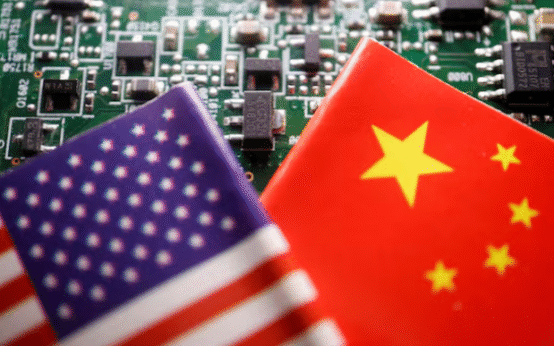 U.S. deeply divided over easing export restrictions on semiconductors to China
  Samsung’s 450 Trillion Won Semiconductor Expansion Plan Signals New Phase in Chip Manufacturing
  Impact of U.S.-China Tariffs on the Global Economy
  India Meets Taliban Officials Has India Recognized the Taliban?