
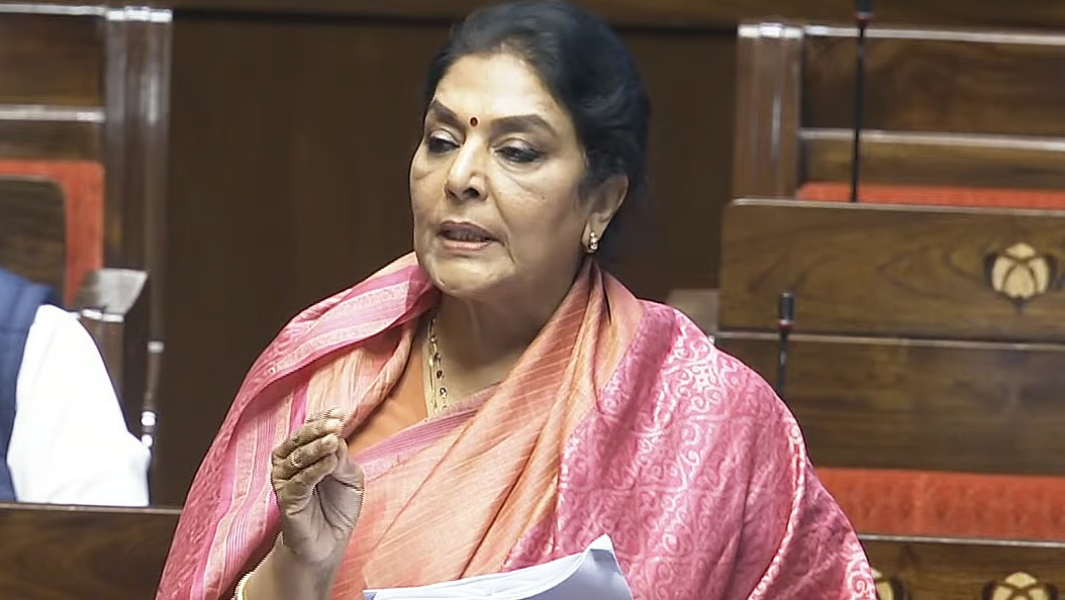
In a recent interview, Congress MP Renuka Chowdhury alleged that the recent state elections in Haryana and Maharashtra were “stolen” due to manipulation of Electronic Voting Machines (EVMs) and electoral rolls.
Chowdhury contended that the composition of the panel selecting election commissioners especially removing the judiciary from that process has compromised electoral integrity. She called for an independent, court-monitored probe into the alleged rigging
What triggered the allegations earlier “vote-chori” claims and EVM mistrust
Supporters of those claims pointed to duplicate voter-IDs, suspicious entries in the voter rolls, and what they described as “bulk voting.”
In Maharashtra too, some leaders and activists have raised concerns about abrupt additions to voter lists and alleged irregularities in certain constituencies.
However — and importantly — the Election Commission of India (ECI) has repeatedly dismissed many of these claims as unsubstantiated. For example, when a video claiming to show EVM hacking went viral prior to the 2024 elections, the ECI rejected it as “false and baseless.”
The ECI also issued a strong‐worded letter to the leadership of Indian National Congress (INC), emphasising that such statements “fall short of the standards of fair speech and expression” signalling that official institutions view these allegations as serious and potentially harmful to public faith in elections.
Why this matters implications for democracy, trust, and future polls
When a sitting MP publicly questions the legitimacy of elections in major states, it raises broader concerns about democracy and electoral credibility. Given the scale of elections in India, allegations of large-scale rigging can:
Undermine public trust in democratic institutions and electoral outcomes.
Lead to calls for reinstating older systems (like paper ballots) or for major reforms in vote-verification (e.g. greater EVM transparency, more aggressive VVPAT audits, independent oversight).
Fuel polarisation and political instability especially if parties react strongly and litigation or protests follow.
Encourage international scrutiny and domestic debates about election-integrity frameworks in a fast-changing political-technology context.


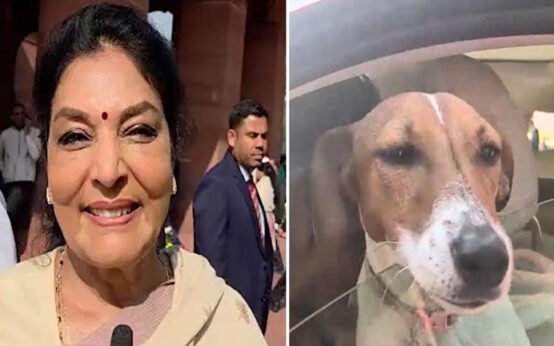 Renuka Chowdhury’s dog row deepens as she mimics barking privilege motion looms