
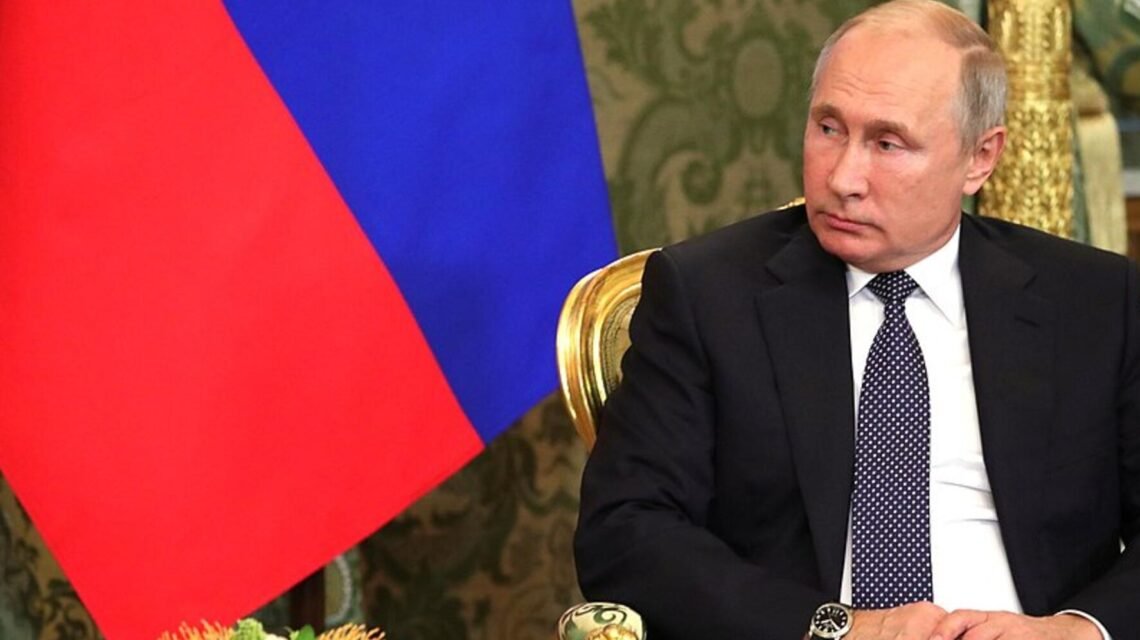
A recent article argues that the mounting casualties suffered by Russian forces in Ukraine are somehow boosting Russia’s economy by reducing its workforce burden and stimulating a war-driven economy. Key to that claim: vast numbers of soldiers killed or incapacitated, plus heavy government spending on contracts and military production.
Yet a growing body of economic analysis paints a starkly different and much bleaker picture. While military expenditure and arms-industry output have surged, the benefits are shallow, short-term, and come at high social and economic cost.
Military expenditure, but shrinking civilian economy
In 2024–2025 alone, payments to soldiers including enlistment bonuses, salaries, and death/injury payouts — amounted to roughly 1.5% of Russia’s GDP. That’s a tremendous drain on public finances.
State-directed spending has shifted heavily toward defence and away from civilian welfare: pensions, social programs and non-military public investments have been squeezed.
Civilian industries — mining, energy, many manufacturing sectors are shrinking or stagnating. War-related demand masks the underlying collapse of much of the peacetime economy.
Demographic collapse long-term drag on labour force & productivity
The human cost of war is enormous: Russia reportedly lost nearly 430,000 soldiers in 2024 alone, with total casualties (killed and wounded) over 1 million since 2022.
Such losses concentrated among working-age men erode the labour force, reduce long-term productivity, shrink the tax base, and undermine generational growth potential.


 Algeria seeks Russia’s support on Western Sahara amid US pressure
  Russia Condemns US Military Intervention Threat in Iran
  Ukrainian Findings Suggest Cracks in Russian Military Morale
  Ukraine Targets Russian Logistics in New Year’s Eve Strikes on Occupied Territories
  Russia Deploys Nuclear-Capable Hypersonic Oreshnik Missiles in Belarus
  Kim Jong Un’s Rewards for Backing Russia in Ukraine War