

A growing split has emerged among U.S. policymakers, industry leaders and lawmakers over whether to ease export restrictions on advanced semiconductors to China a debate made sharper by recent proposals from the executive branch to partially relax curbs.
What triggered the debate
Since 2022, the U.S. through the Bureau of Industry and Security (BIS) and related agencies — imposed sweeping export controls on cutting-edge AI chips, chip-manufacturing equipment, and associated design software to curb China’s access to technology with potential military applications.
However, in 2025 the administration began signalling a possible softening. Meanwhile, leading chipmakers have lobbied for broader export licences to resume sales, citing economic pressures and global demand.
Two opposing views: security vs business
Supporters of easing controls argue that continuing strict export bans could damage the U.S. semiconductor industry itself. By cutting off a major market China American chipmakers lose huge revenue streams, which in turn reduces funds available for research and development. This, critics warn, might hollow out U.S. competitiveness in the long term
On the other hand, national-security advocates and many law-makers argue that lifting restrictions would help China advance in AI, supercomputing and other dual-use technologies — potentially undermining U.S. military and strategic advantage. They warn that any loosening could weaken U.S. lead in critical technology.
As a result, a recently proposed bill the SAFE Chips Act has been introduced in the U.S. Senate aiming to block exports of high-performance AI chips to China and other adversarial nations for the next 30 months, unless Congress approves changes.


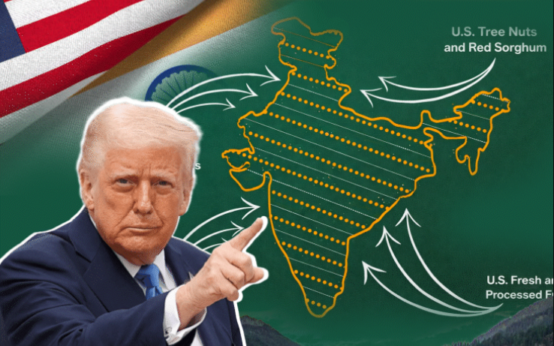 US Removes India Map from Trade Release After Pakistan Protest
  US Ambassador Nominee’s Iceland State Joke Sparks Backlash
  Korea’s M2-to-GDP ratio twice US., controversy renewed
  Iran Warns “We Are Ready for War” as Crackdown on Protests Intensifies
  US Energy Secretary Chris Wright Warns North Korea and Iran After Tanker Seizure
  US Slams China’s Taiwan Drills While Launching Military Operation in Venezuela