
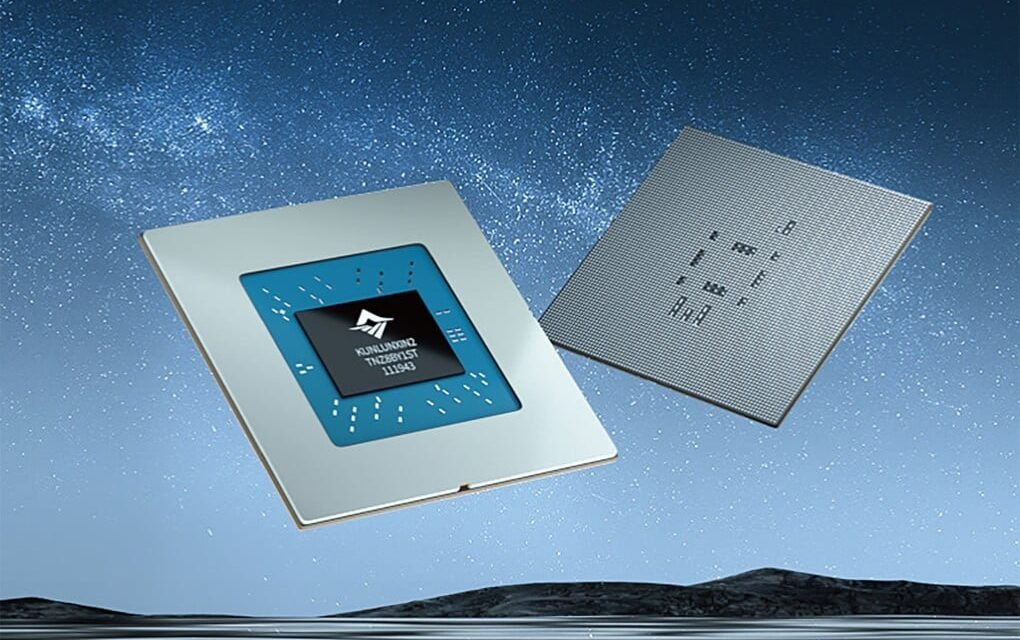
Chinese tech giant Baidu is reportedly preparing to spin off its semiconductor unit Kunlunxin and list it on the Hong Kong Stock Exchange (HKEX). The move reflects growing investor appetite for domestic AI-chip developers amid rising demand for homegrown semiconductor solutions.
The proposed initial public offering (IPO) could see an application filed as early as the first quarter of 2026, potentially completing by early 2027 — though Baidu cautioned that a spin-off is not guaranteed.
Why this matters for Baidu and China’s AI-chip ambitions
Kunlunxin, founded in 2012 as Baidu’s internal chip-development arm, has grown into a standalone subsidiary. In recent years it has expanded external sales beyond serving only Baidu’s own cloud and AI operations.
Following a recent fundraising round that valued Kunlunxin at roughly ¥21 billion (about USD 2.97–3 billion), investor confidence in the unit’s growth prospects appears strong.
This IPO plan comes at a time when several Chinese semiconductor firms — including ones dubbed “China’s little Nvidia” — are riding a wave of market optimism, driven in part by global export restrictions on advanced chips.
Market reaction and what’s at stake
News of the potential spin-off sent Baidu’s shares rising in Hong Kong, as investors bet on the long-term value of the AI-chip segment.
For China’s technology ecosystem, a successful listing by Kunlunxin could mark a key milestone in the country’s push for semiconductor self-reliance. It could also encourage further investment in domestic chip development reducing dependence on foreign GPU suppliers.
At the same time, timing and execution remain uncertain. Baidu itself noted there’s “no assurance” that the spin-off and listing will proceed


