
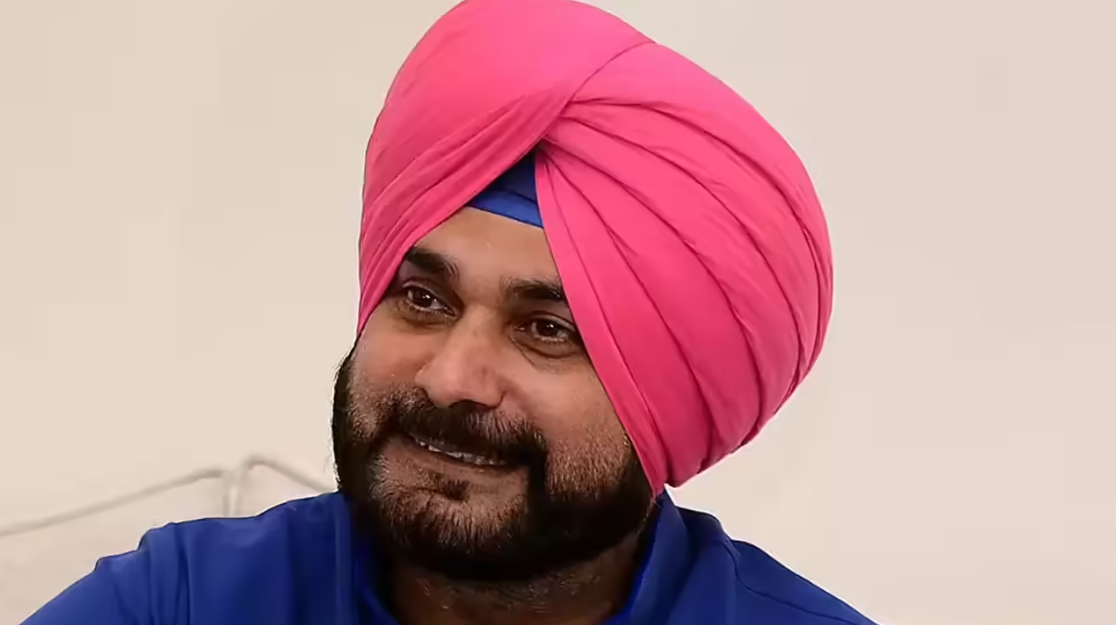
As the clock ticks toward the 2027 Punjab assembly elections, all eyes have shifted to Navjot Singh Sidhu. On 7 December 2025, his wife and longtime Congress leader Navjot Kaur Sidhu declared that Sidhu will return to “active politics” but only if Congress names him its chief-ministerial (CM) face in Punjab.
Congress unit. Several senior leaders are reportedly vying for the same top post and according to Kaur, there are already five separate contenders aiming for the CM’s seat.She expressed concern that this internal competition may block Sidhu’s elevation, regardless of his popularity or party attachment.
Background Why Sidhu’s potential comeback matters
Sidhu — a former cricketer turned politician had previously held leadership roles in Punjab Congress, but his political activity declined after repeated electoral setbacks.
He skipped campaigning in the 2024 national elections and has been largely absent from party events.
Amid Punjab’s growing dissatisfaction over governance and law-and-order issues, as highlighted by the Sidhu family’s meeting with the Governor, his re-entry is being viewed by some as a way for Congress to rejuvenate its appeal.
What’s likely to unfold Scenarios heading into 2027
If Congress names Sidhu CM face He will re-enter active politics immediately, mobilizing supporters and possibly challenging rivals within the party. The Sidhu camp frames this as a bid for merit-driven leadership.
If internal opposition prevails Party infighting might block his elevation; then, Sidhu may stay away which could worsen Congress’s chances, given his public profile and ability to draw crowds.
Potential external pressure and backlash The “500-crore briefcase” remark has drawn criticism from rival parties, which may accuse Congress of corruption or cronyism if such practices become public.
Why this matters for Punjab’s political landscape
What’s happening with Sidhu reflects larger structural challenges within Punjab’s politics: the role of internal party democracy, the influence of money in political appointments, and a growing demand among voters for credible, visible leaders.
If Congress manages to elevate a leader who combines popular appeal with clean-image rhetoric — and avoids internal factionalism it might regain lost ground. But if the feud intensifies, it could fragment votes, handing advantage to rivals.
For citizens, this balancing act could shape who governs the state — not just in terms of policies, but values: merit vs money; public good vs party deals.


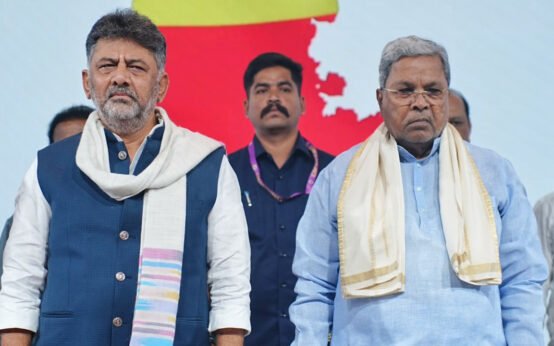 Karnataka Dy CM DK Shivakumar Denies Rift, Calls CM Siddaramaiah His ‘Brother’
 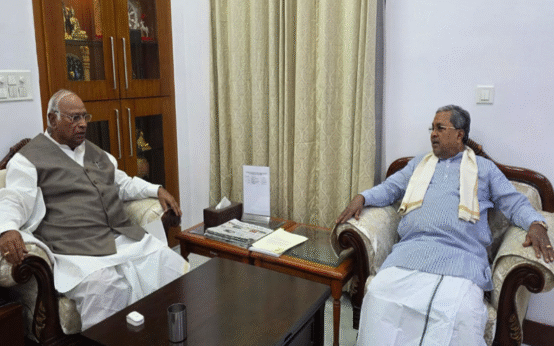 Karnataka Crisis Deepens as CM Siddaramaiah to Meet Congress President Kharge