
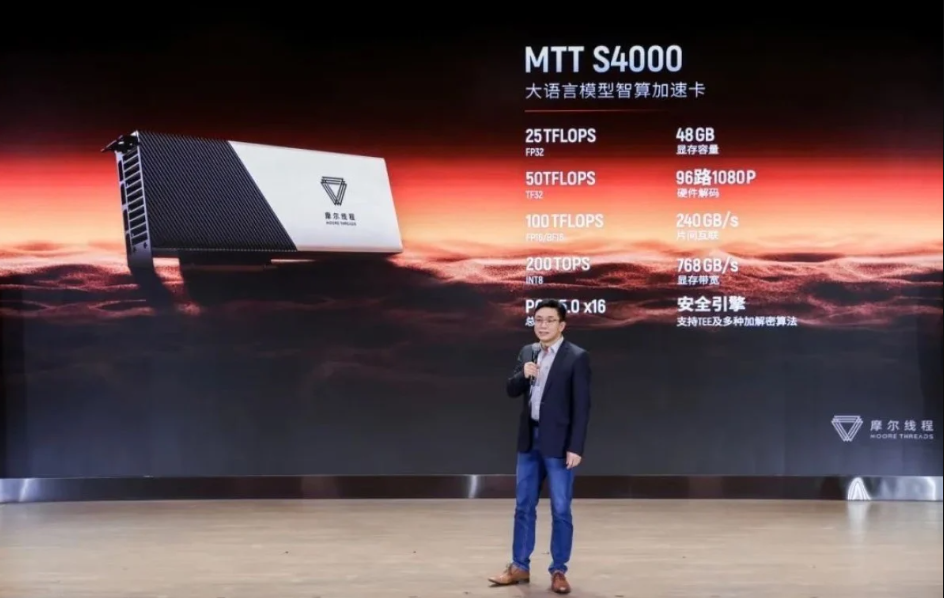
A China-based GPU startup, Moore Threads, has grabbed global headlines after its shares surged nearly 468 % on debut a spectacular rally that thrust it into the spotlight as a serious contender in AI hardware.
Founded by a former China-head of NVIDIA, Moore Threads was launched with a clear ambition: to build AI-chips capable of powering generative-AI models domestically and eventually compete globally. The company’s CEO said their target is to become a “leading GPU player with international competitiveness,” releasing next-generation chips annually to meet the demands of China’s booming AI ecosystem.
What triggered the surge
Massive IPO enthusiasm: Moore Threads’ IPO raised major investor excitement, and the stock opened more than five times its IPO price the first trading day on the Shanghai Stock Exchange — the biggest first-day pop for a large IPO this year.
The rally reflects confidence that Beijing’s support and strong local demand will fuel growth.
Promise of AI-ready infrastructure: Unlike older Chinese GPUs, Moore Threads’ designs and software reportedly aim for compatibility with AI workflows, signaling readiness to serve data-centres, machine-learning firms, ai and cloud providers.
Despite the hype, Moore Threads isn’t without obstacles. The company remains unprofitable, and some analysts caution that the recent stock surge may reflect speculative enthusiasm more than proven fundamentals.
Moreover, standing up to well-established players globally (like NVIDIA) will require consistent performance, design refinement, and software ecosystem support a long, difficult climb, especially in the high-stakes AI-chip market
What this means for global AI hardware race
Moore Threads’ meteoric rise signals a pivotal shift: China is no longer simply importing foreign AI chips — it’s betting on homegrown alternatives. If Moore Threads or similar firms succeed, the global balance in AI infrastructure could become more multipolar, reducing reliance on a few U.S.-based chipmakers.
And for users worldwide from startups to major tech firms increased competition could mean more choices, potential price corrections, and innovation in AI-hardware design.


 Nvidia to Boost H200 Chip Production Amid Uncertainty Over China Market
  Samsung Steps Up to Challenge Nvidia in AI Chips