

On 3 December 2025, President Donald Trump signed into law the Taiwan Assurance Implementation Act. The legislation requires the U.S. Department of State to conduct regular reviews of its guidelines on U.S.–Taiwan official interactions at least every five years, replacing a one-time review requirement under previous statutes.
The move institutionalises more frequent assessments of U.S.-Taiwan relations and paves the way for an expanded scope of engagement potentially facilitating higher-level meetings between Taiwanese officials and various U.S. federal agencies. Taiwan’s government welcomed the law as a strong reaffirmation of shared democratic values and a signal of deeper cooperation.
In Taipei, the act was hailed as “a major step forward in U.S.–Taiwan relations.” The Taiwanese presidential office described it as a symbol of democracy, freedom and mutual respect, emphasizing that the legislation strengthens bilateral ties even as formal diplomatic recognition remains absent.
Unsurprisingly, the law has drawn sharp condemnation from Beijing. Moreover, the Chinese Foreign Ministry reiterated that any official U.S.–Taiwan contact violates China’s “core interests” and further warned Washington against encouraging “Taiwan-independence forces.” In addition, the ministry demanded the U.S. immediately cease such interactions. Ultimately, the statement underscored Beijing’s uncompromising stance on the matter.
Analysts say the act — though modest on paper — formally entrenches U.S. support for Taipei, ensures continuity across administrations, and deepens institutional channels for cooperation in diplomacy, security, trade, and cultural exchange. At the same time, it risks fuelling further strain in U.S.–China relations, especially as the new law takes effect amid rising tensions in the Indo-Pacific.


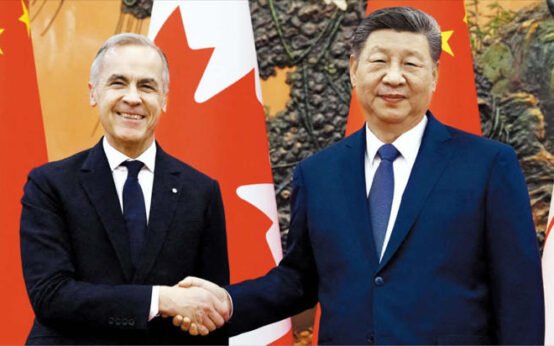 Canada and China reset strategic partnership under Trump pressures
  Trump Aggressive Push to Oust Maduro: Drugs, Gangs, Oil, and Geopolitical Dominance
  Trump Faces Backlash as Canadian Tourism to US Plummets in 2025
  Trump ‘Patriot Games’ Announcement Sparks Widespread Dystopian Parallels to ‘The Hunger Games’
  Trump Travelled on at Least 8 Epstein Flights, Over 11,000 New Files Released
  Donald Trump Sues BBC for Billions Over Allegedly Edited January 6 Speech