
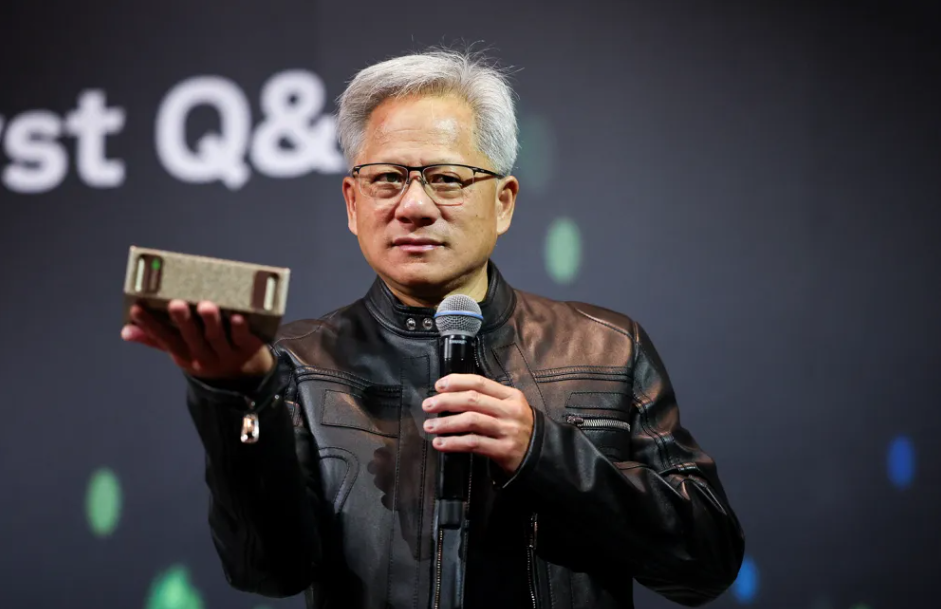
As global tensions over semiconductor supply continue, Huawei along with the broader Chinese chip industry is leaning increasingly on “chip stacking” and near-memory computing to narrow the performance gap with Nvidia’s latest GPUs.
What is “chip stacking” and why it matters
This integration sometimes combined with clever architecture and “near-memory computing” can significantly boost bandwidth, reduce latency, and improve efficiency in AI workloads.
According to a leading Chinese semiconductor expert, such configurations could rival 4 nm-class GPUs from Nvidia while cutting costs and power consumption.
How Huawei is putting the theory into practice
Huawei’s recently unveiled AI-hardware infrastructure notably the CloudMatrix 384 and its broader “supernode /supercluster” strategy is built around this idea. The system combines large numbers of Huawei’s own AI chips (Ascend line) into huge clustered systems interconnected via high-speed networking and optimized software.
For example, although a single Ascend chip may not match Nvidia’s top GPUs in efficiency or raw per-chip power, hundreds of them working in concert along with stacked memory and optimized interconnects allow Huawei’s infrastructure to deliver hundreds of petaflops of compute performance.
Why China sees this as a strategic necessity
With U.S. export controls limiting China’s access to the latest lithography and chip-manufacturing gear, direct head-to-head competition at the “node level” (i.e. 3 nm or 2 nm chips) has become unviable.
Stacking and clustering older-node chips gives Huawei and Chinese firms a path to “catch up” without needing the newest process technologies. It also supports the country’s push for self-reliance in AI and semiconductor supply, reducing dependency on foreign GPU imports.


 Mercedes-Benz to accelerate localisation as China revenue slump hits 2025 profits
  China Bans Dual-Use Exports Including Rare Earths to Japan Over Taiwan Remarks
  China’s DeepSeek Upgrades Chatbot with Advanced ‘Interleaved Thinking’ Feature Amid Next Model Buzz
 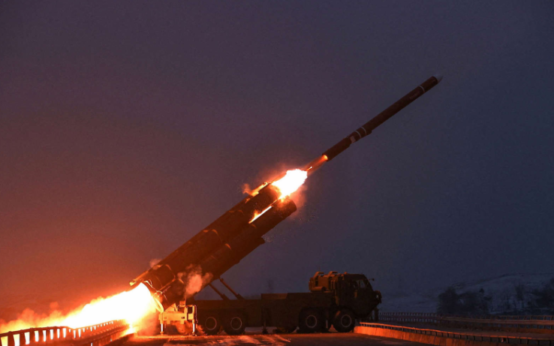 North Korea Fires Ballistic Missiles Hours Before South Korean President’s China Visit
 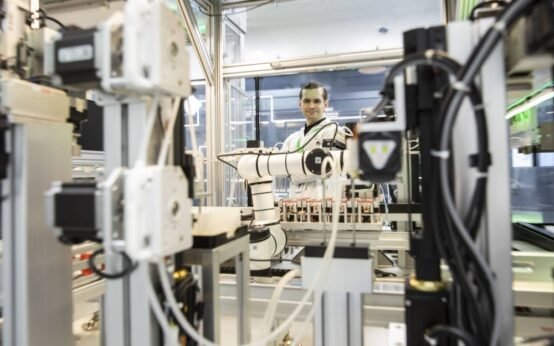 MindRank Advances China’s First AI-Assisted Drug to Phase 3 Trials, Slashes R&D Costs by 60%
  China Enforces 50% Domestic Equipment Rule for Semiconductor Expansion