
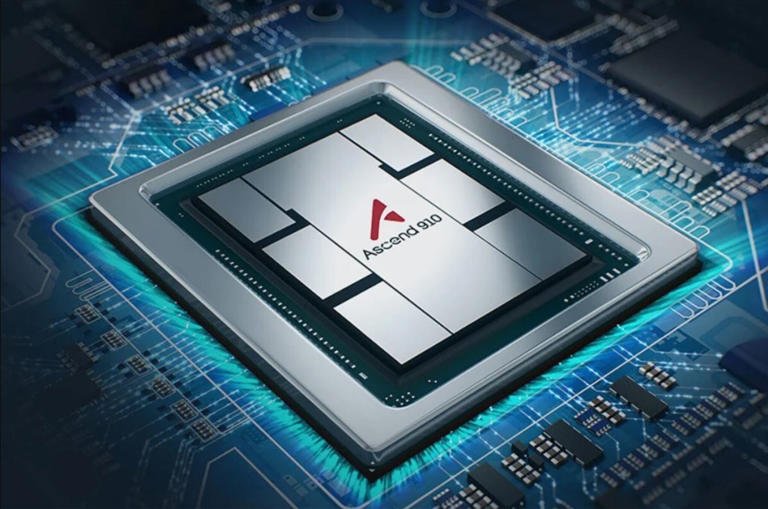
China is fast pushing to reduce its dependence on U.S.-made AI hardware, as domestic firms ramp up development of artificial-intelligence chips that aim to rival NVIDIA’s GPUs.
Domestic chipmakers step into the breach
With U.S. export controls limiting access to high-end NVIDIA processors, Chinese companies are doubling down on locally designed chips. Leading the charge is Huawei Technologies, which heads a consortium working to build high-bandwidth memory (HBM) chips and other components essential for advanced AI acceleration — a foundational step toward a self-reliant AI ecosystem.
Among the firms making significant strides are Cambricon Technologies, MetaX Integrated Circuits, Enflame Technology, along with Huawei. Cambricon’s latest chips, for example, claim to deliver roughly 90 % of the processing power of older NVIDIA GPUs — at a fraction of the cost.
By building compatible software and hardware stacks for instance with tools that let developers port existing AI models easily to domestic chips these firms are narrowing the performance gap and giving Chinese tech companies a real alternative.
Impact of U.S. sanctions and Beijing’s push for tech independence
The export restrictions on NVIDIA’s best AI chips have boosted demand for domestic alternatives. Reports suggest Chinese regulators have even discouraged or blocked new purchases of U.S. chips, especially for state-backed or sensitive projects. As a result, NVIDIA’s share in China’s AI chip market — once dominant — has dropped drastically.
This shift is steering China toward a hardware ecosystem built around domestic components — from chips to memory, software stacks to data-center infrastructure. The effort reflects a broader strategy of technological self-reliance, especially in critical sectors such as AI and national security.


 Mercedes-Benz to accelerate localisation as China revenue slump hits 2025 profits
  China Bans Dual-Use Exports Including Rare Earths to Japan Over Taiwan Remarks
  China’s DeepSeek Upgrades Chatbot with Advanced ‘Interleaved Thinking’ Feature Amid Next Model Buzz
 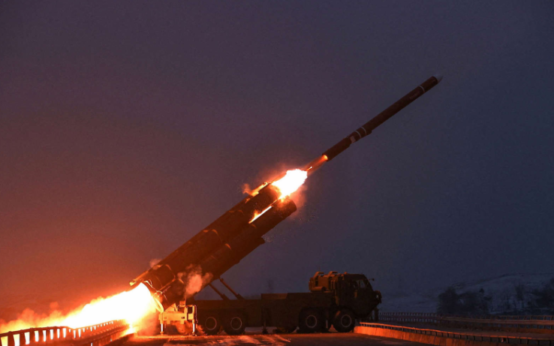 North Korea Fires Ballistic Missiles Hours Before South Korean President’s China Visit
 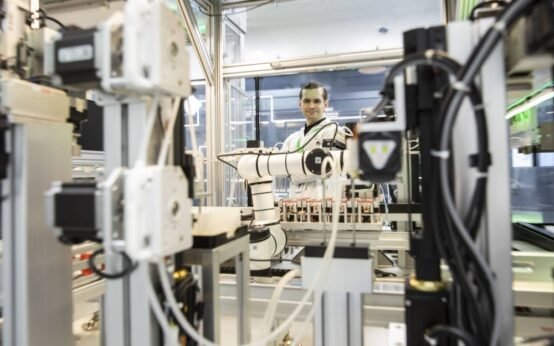 MindRank Advances China’s First AI-Assisted Drug to Phase 3 Trials, Slashes R&D Costs by 60%
  China Enforces 50% Domestic Equipment Rule for Semiconductor Expansion