
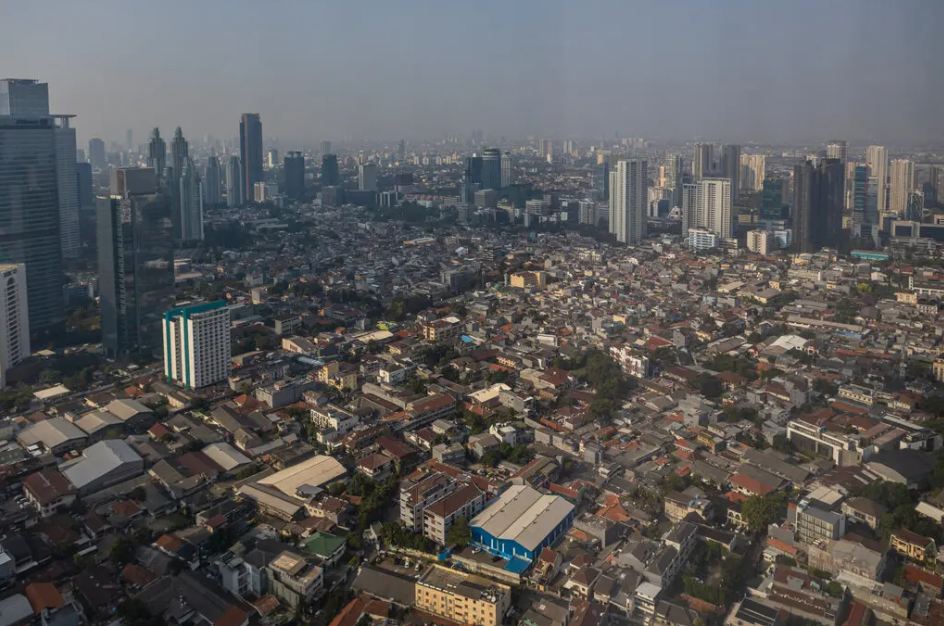
Jakarta has overtaken Tokyo to become the world’s most populous city, according to the newest data from United Nations Department of Economic and Social Affairs (UN DESA). As per the 2025 report, Jakarta now accommodates nearly 42 million residents, illustrating how quickly its metropolitan area has expanded.
This re-ranking reflects more than just numbers: it signals a redefinition of how “city” is measured globally. The UN adopted a more consistent definition of “urban area,” employing geospatial data and standardized thresholds for population density and agglomeration. Under this updated methodology, city boundaries and urban sprawl are being measured more uniformly and Jakarta emerges clearly at the top.
What this shift reveals about global urbanization trends
In just half a century, global urbanization has surged. Cities now host about 45% of the world’s 8.2 billion people, compared with roughly 20% in 1950. At the same time, the number of megacities defined as urban agglomerations with over 10 million inhabitants has jumped from eight in 1975 to 33 in 2025.
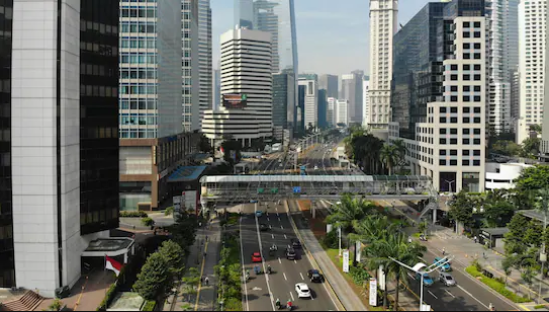
The dominance of Asia in this trend is particularly stark. Nine of the world’s ten largest cities in 2025 are located in Asia, underscoring the region’s central role in shaping the future of global urban living.
Why Tokyo fell and Jakarta surged beyond just population growth
Meanwhile, Jakarta’s rapid rise reflects sustained growth over recent decades — fueled by demographic shifts, migration from rural areas, and expansion of the metropolitan region. As Indonesia’s largest economic, political, and cultural hub, Jakarta has drawn people seeking jobs, education, and opportunity, contributing substantially to its swelling population.
What this means for Jakarta opportunities and challenges ahead
With a population approaching 42 million, Jakarta’s scale not only positions it as a global epicenter of urban power, but also underscores its growing influence in international affairs. Consequently, this expansion could boost its economic clout, furthermore signal greater investment, and ultimately cement its role as a hub of culture, commerce, and innovation in Southeast Asia and beyond. In addition, Jakarta’s prominence highlights the city’s potential to shape regional dynamics, while at the same time offering opportunities for global collaboration and exchange.
At the same time, such immense population density brings oblique pressures. Urban infrastructure, housing, public transport, environmental sustainability, and social services will all face unprecedented demand. As the city’s skyline stretches and its streets swell, planning and sustainable development will be critical to ensure livability and equity for all residents.


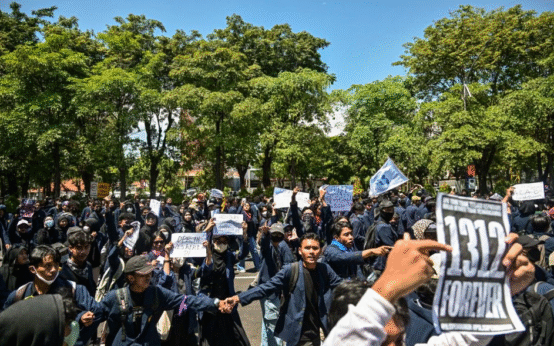 Rights group says 20 missing after deadly Indonesia protests
  Indonesia and US begin joint annual military drills
  Indonesia Boosts Culinary Tourism to Attract Global Travelers