
South Korea’s semiconductor giants, Samsung Electronics and SK Hynix, have paid more than 6.2 trillion won in corporate taxes this year, a staggering ninefold increase compared to last year. This surge reflects the ongoing semiconductor “supercycle”, where global demand for chips driven by artificial intelligence, cloud computing, and advanced devices—has boosted profits and, in turn, tax contributions.
The Supercycle Effect Behind Samsung
The semiconductor industry often experiences cycles of boom and bust. Right now, it is in a supercycle, meaning demand is not only strong but also sustained across multiple sectors. AI applications, data centers, and smartphones are consuming more advanced chips, and both Samsung and SK Hynix have capitalized on this trend. Their profits soared, and with higher profits came higher taxes.
Tax Contributions Skyrocket
According to third-quarter reports, the two companies together paid 6.231 trillion won in taxes by September 30, 2025. Just a year earlier, they had paid only 701 billion won. This sharp jump highlights how quickly the industry’s fortunes can change.
For the South Korean government, the tax windfall provides crucial revenue at a time when public spending needs are rising.
Government Policy and Industry Growth
The government has supported chipmakers through initiatives like the “K-Chips Act”, which offers tax credits for facility investments. While these credits reduce future tax burdens, the current supercycle has already ensured massive contributions from Samsung and SK Hynix. Policymakers see this as proof that semiconductors remain the backbone of South Korea’s economy.


 Samsung Smartphone Business Faces Pressure as Exports Fall and Costs Rise
 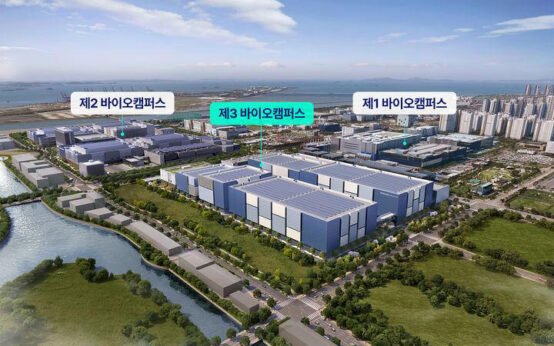 Samsung Biologics commits 7 trillion won for third campus in Songdo, aims to boost next-gen drug production
  Samsung’s 450 Trillion Won Semiconductor Expansion Plan Signals New Phase in Chip Manufacturing
  Samsung Reveals Ultra-Thin Galaxy S25 Edge as Apple Prepares iPhone ‘Air’
  Samsung co-CEO Han Jong-Hee dies at 63 at Hospital