
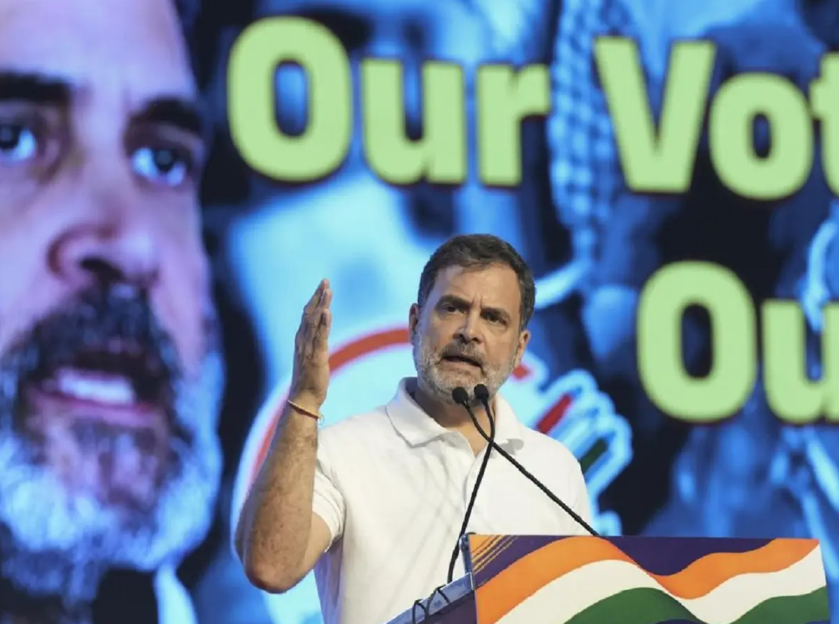
A group of 272 respected Indian citizens, including retired judges, bureaucrats, former ambassadors, and military veterans, has issued a strongly worded open letter criticizing Rahul Gandhi and the Congress Party. The letter accuses them of making “provocative but unsubstantiated accusations” that undermine the integrity of constitutional bodies, particularly the Election Commission of India .
Leaders Warn Against Eroding Public Trust in Democratic Institutions
In their letter titled “Assault on National Constitutional Authorities,” the signatories express deep concern that repeated allegations by Gandhi and the Congress are deliberately orchestrated to erode public faith in key institutions. They argue that baseless rhetoric directed at the ECI threatens to weaken democratic norms and damage the credibility of independent bodies.

Accusations Without Accountability
The letter calls out Gandhi’s repeated “vote chori” vote theft claims, highlighting that he has publicly declared he possesses “100 per cent proof” and even referred to it as an “atom bomb” that could expose the Election Commission. However, the eminent citizens point out that he never filed a sworn affidavit or formal legal complaint to substantiate these serious charges.
The signatories argue that instead of presenting constructive policy alternatives, Gandhi and his party have resorted to what they describe as theatrical and emotionally charged political tactics. They suggest that this strategy reflects “impotent rage” a pattern born out of repeated electoral setbacks rather than genuine political vision.
Institutions Defended, Legacy Invoked
In defending the Election Commission, the letter references former CECs like T. N. Seshan and N. Gopalaswami, praising their fearless and impartial leadership. The authors contrast that legacy with the current political climate, calling for transparency, legal accountability, and respectful political engagement.
The authors appeal to all political figures to engage in mature democratic competition. They urge leaders to rely not on grand accusations, but on reasoned policy debate. Their final plea: accept democratic verdicts with grace, not grievance.


