
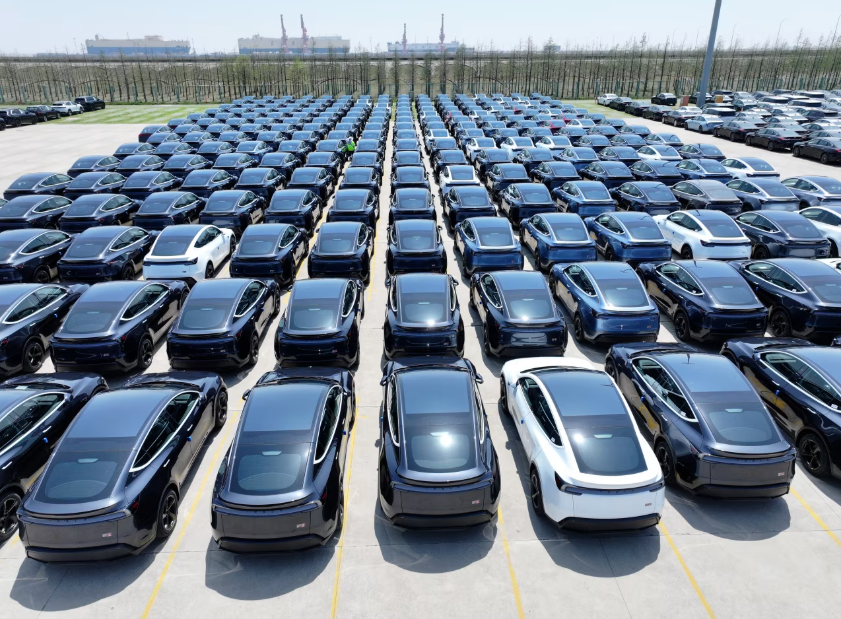
Tesla has reportedly eliminated Chinese-made components from its U.S. production lines, a move seen as a direct response to tightening American trade rules and rising scrutiny on supply chains. The shift marks a significant strategic adjustment as the electric vehicle giant aims to secure federal incentives and avoid regulatory hurdles.
Compliance with U.S. policies drives supply chain overhaul
The decision aligns with increasingly stringent U.S. guidelines that limit EV tax credits for vehicles containing Chinese-sourced components particularly in sensitive areas like batteries and electronics.
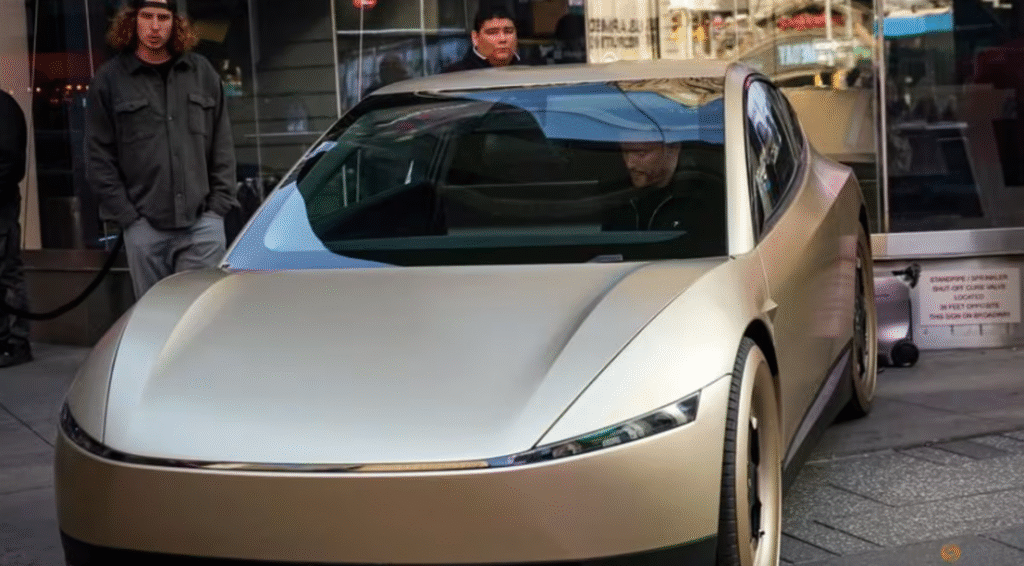
Consequently, by reconfiguring its supply chain, Tesla not only adapts to regulatory shifts but also positions its vehicles to remain eligible for government incentives, which continue to play a pivotal role in shaping EV sales across the U.S. market.
Geopolitical tensions push automakers to diversify
As global tensions between Washington and Beijing intensify, they have, in turn, accelerated a broader trend: U.S. automakers increasingly moving away from reliance on Chinese suppliers. In this context, Tesla’s shift not only reflects this momentum but also underscores the growing pressure on companies to diversify sourcing. Moreover, it highlights the need to strengthen domestic manufacturing while simultaneously reducing exposure to political risks.
Analysts say the move could influence other EV manufacturers facing similar challenges.
However, the company may benefit long-term by securing more stable and compliant supply networks.
A strategic step for future expansion
As the U.S. pushes for cleaner energy and domestically controlled production, Tesla’s decision positions the company to maintain its competitive edge. It also signals to regulators and consumers that Tesla is committed to aligning with national priorities.
Industry watchers expect more supply chain realignments across the EV sector as geopolitical and policy pressures continue to reshape global manufacturing.


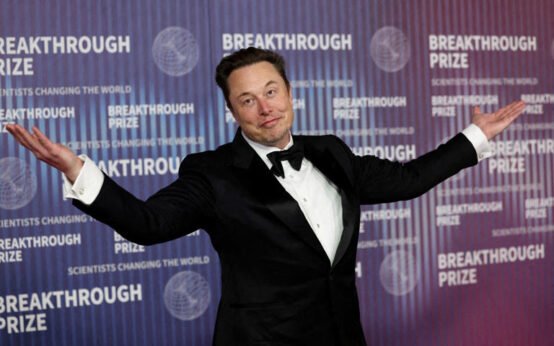 Elon Musk Secures $140 Billion Tesla Compensation in Landmark Deal
  Tesla Rejects Supplier Bans, Stands by Chinese Partners Despite Trade-Tension Fallout
 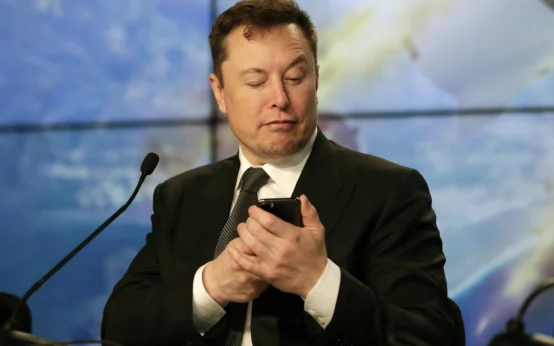 Tesla Denies Rumors of Elon Musk’s Firing as CEO
  How China’s BYD Surpassed Elon Musk’s Empire
  Tesla is finally making its way to India
 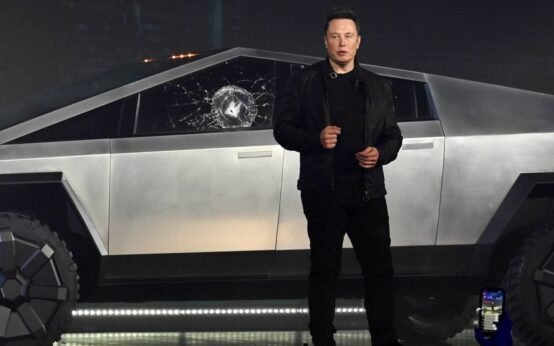 Why Tesla Increased the Cybertruck Price?