
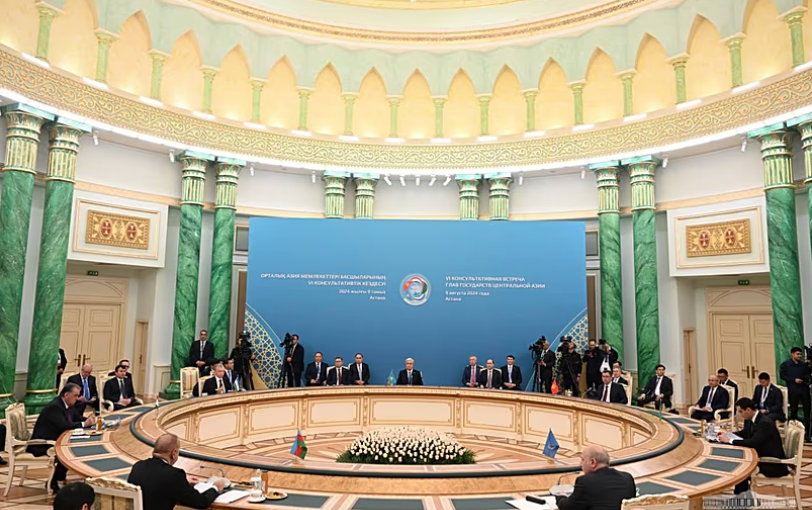
Central Asia is preparing for an important moment as leaders from across the region head to Tashkent for the upcoming Consultative Summit. The gathering, hosted by Uzbekistan, aims to strengthen cooperation at a time when global uncertainty and regional security concerns continue to rise.
The summit offers a rare chance for the region’s top leaders to sit together and discuss problems that cross borders. These include water management, trade corridors, security challenges, migration, and energy connectivity.
Renewing Regional Diplomacy Through Tashkent’s Strategic Engagement
Tashkent has placed itself at the center of Central Asia’s diplomatic revival. Over the past few years, Uzbekistan has opened its doors to dialogue, encouraged easier cross-border travel, and pushed for economic partnerships that benefit all five nations. The summit builds on these efforts and tries to move collaboration from talk to tangible action.
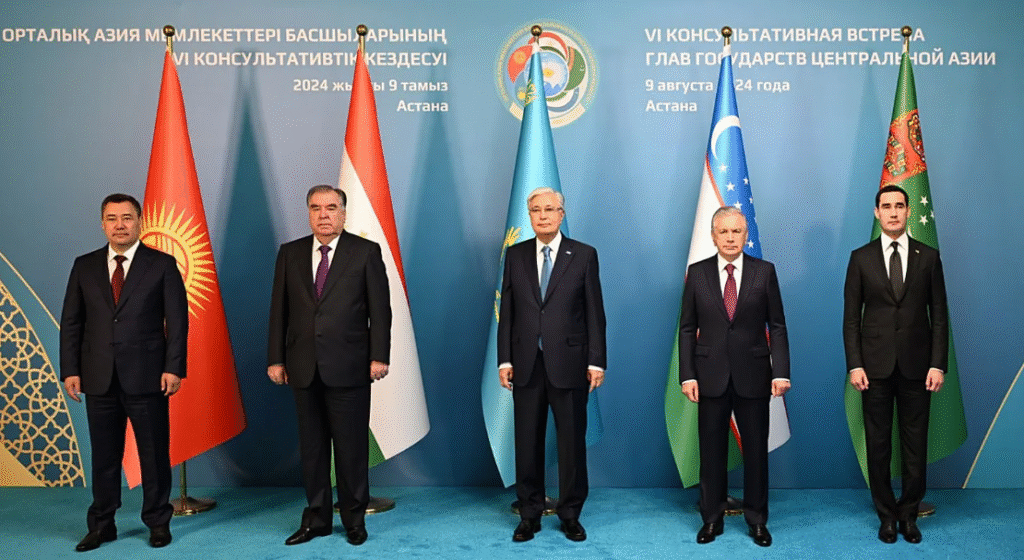
Leaders are expected to revisit earlier agreements, evaluate progress, and consider new proposals for shared infrastructure, digital trade, climate resilience, and transport modernization. With each country facing its own economic pressures, the meeting serves as a reminder that regional strength grows through collective effort.
Growing Regional Challenges Drive Leaders Toward Unified Strategy
While Central Asia has grown more stable in recent years, fresh challenges demand stronger coordination. Border disputes, competition for water resources, and shifting global alliances create pressure on governments to act together rather than alone. The summit provides a platform to align strategies and prevent small disputes from escalating.
At the same time, economic opportunities are expanding. New trade routes, energy pipelines, and technology investments have made Central Asia a key player in global connectivity. Leaders know that coordinated planning can help the region compete more effectively on the world stage.


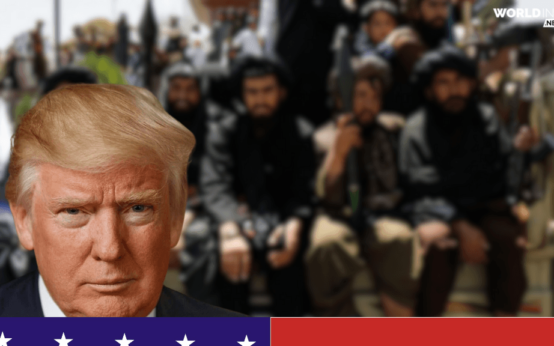 Taliban Rejects Trump’s Demand to Return U.S. Weapons
  India Meets Taliban Officials Has India Recognized the Taliban?