
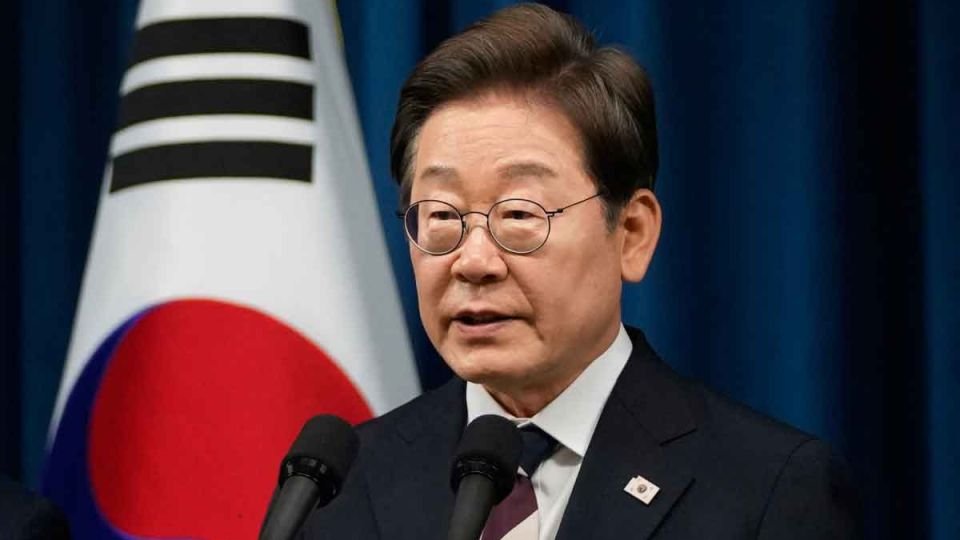
South Korean President Lee Jae-myung has underlined the need for stronger dialogue with China shortly after completing key meetings with U.S. officials. His remarks come as Seoul tries to balance its most important security partnership with Washington and its largest economic relationship with Beijing.
Balancing regional strategy as Lee pushes for stable Korea–China communication
President Lee stressed that South Korea must keep channels open with China to maintain regional stability. He acknowledged the value of his discussions with U.S. leaders but argued that effective diplomacy requires active engagement with all neighboring powers. By calling for deeper dialogue with Beijing, he signaled that Seoul will not adopt a one-sided approach despite Washington’s growing strategic expectations.

This message also reflects concerns about rising tensions in the Indo-Pacific, where both the U.S. and China continue competing for influence.
Growing U.S. cooperation sparks fresh urgency for China-focused diplomacy
Lee’s recent dialogue with American officials covered defense coordination, supply chain resilience, and emerging technology cooperation. As these areas deepen, Seoul faces increasing pressure to align more closely with U.S. strategic goals. However, the president appears determined to maintain a balanced foreign policy that avoids unnecessary confrontation with Beijing.
This balanced tone aims to protect South Korea’s economic interests, given the heavy role China plays in trade, investment, and industrial supply chains.
Staying open to cooperation while preparing for tougher regional dynamics
Lee argued that South Korea can expand cooperation with the U.S. while still managing a constructive relationship with China. He urged policymakers to avoid framing diplomacy as a zero-sum choice. Instead, he encouraged a strategy that mixes stronger alliances with thoughtful engagement.
As geopolitical competition intensifies across Northeast Asia, Seoul’s ability to navigate both sides will carry long-term consequences for national security and economic resilience.


 South Korea’s President Lee Jae-myung Orders Evacuation Preparations for Nationals in Venezuela