
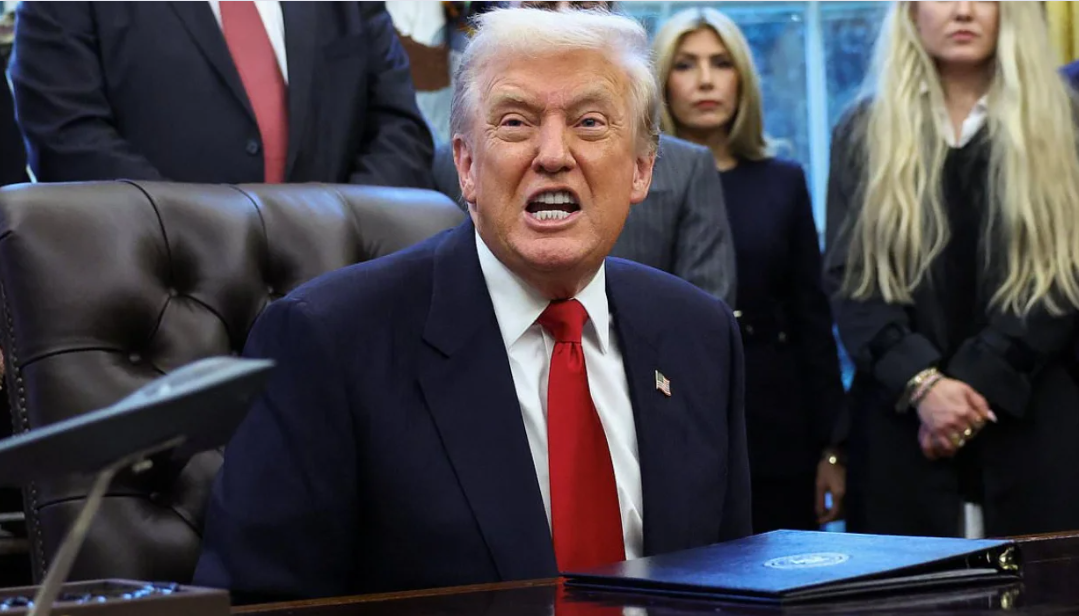
Former US President Donald Trump has announced a significant reduction in tariffs on coffee and bananas imported from Central America, marking one of the most notable shifts in his economic stance toward the region. The decision appears aimed at easing trade tensions, increasing consumer affordability, and strengthening diplomatic ties with countries long affected by rising import duties.
Tariff Reduction on Coffee Imports Brings Relief to Global Market
Coffee exporters across Central America welcomed the decision, calling it an opportunity to revive struggling agricultural sectors. Over the past few years, farmers in Honduras, Guatemala, Costa Rica and El Salvador have faced volatile prices, climate setbacks and growing competition. Reduced US tariffs are expected to stabilize demand and support thousands of small-scale producers.
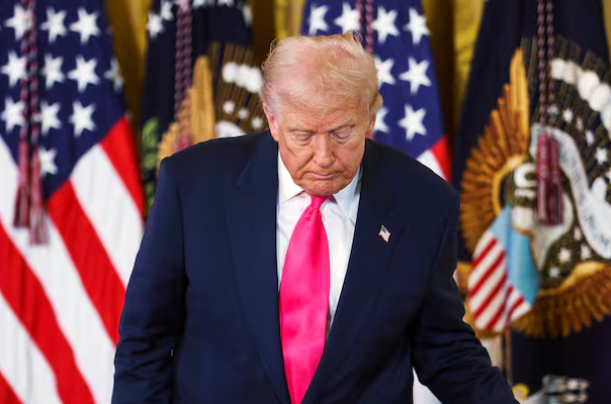
American importers also see the move as a step toward improving supply consistency. Lower tariffs often encourage increased volumes, which can help prevent price spikes in the US market. Industry experts believe the policy could influence global coffee prices if US demand grows.
Banana Industry Gains New Market Access Under Revised US Trade Rules
Alongside coffee, Trump’s tariff revision also covers banana exports, a major economic pillar for Central American nations. Producers in the region have long argued that high duties blocked their access to the world’s largest consumer market.
With tariffs cut, exporters expect a sharp rise in shipments over the next year. For countries where bananas support tens of thousands of jobs, the decision is seen as a lifeline that can boost rural economies. Analysts say improved trade flow may also benefit American grocery chains, which often struggle with price fluctuations.
New US–Central America Trade Push Signals Diplomatic Recalibration
Trump’s move goes beyond economics. Reducing tariffs could rebuild trust after years of tense exchanges over immigration, border security and foreign aid. Several Central American leaders publicly praised the decision, saying it opens the door for deeper cooperation.
Policy experts believe the reduction might be part of a broader effort to strengthen regional ties amid growing Chinese investment in Latin America. The tariff shift may help the US maintain influence while supporting economic stability in its neighboring region.
For American consumers, the most immediate impact could be lower prices at supermarkets and coffee shops. Retailers often adjust pricing based on import duties, and cheaper imports may filter down to everyday expenses. Economists caution, however, that supply chain factors such as transportation costs will still affect final prices.


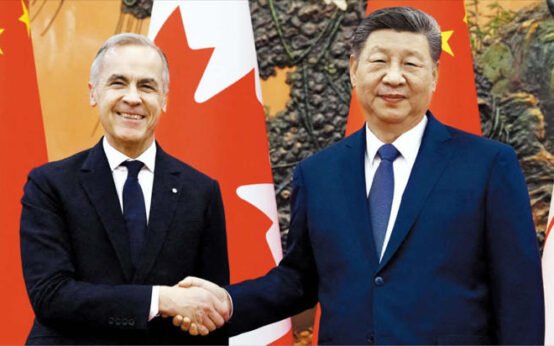 Canada and China reset strategic partnership under Trump pressures
  Trump Aggressive Push to Oust Maduro: Drugs, Gangs, Oil, and Geopolitical Dominance
  Trump Faces Backlash as Canadian Tourism to US Plummets in 2025
  Trump ‘Patriot Games’ Announcement Sparks Widespread Dystopian Parallels to ‘The Hunger Games’
 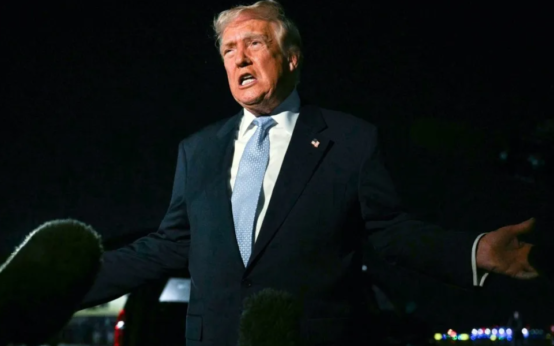 Trump Travelled on at Least 8 Epstein Flights, Over 11,000 New Files Released
  Donald Trump Sues BBC for Billions Over Allegedly Edited January 6 Speech