
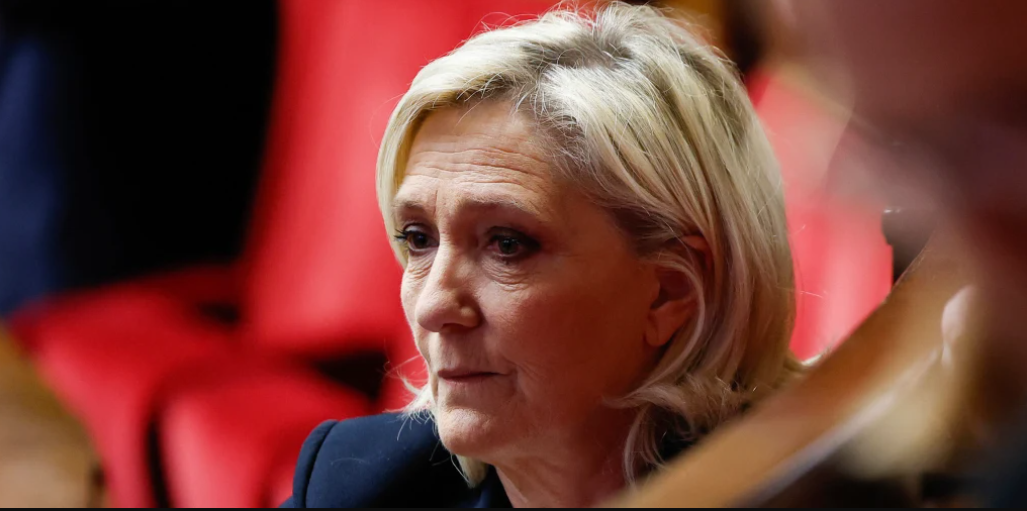
French far-right leader Marine Le Pen was notably absent from a Paris court hearing in a case involving alleged public insults against activist Yasmine Ouirhane, reigniting debate over political speech, accountability, and freedom of expression in France.
Yasmine Ouirhane Challenges Le Pen’s Public Insult Claims
Ouirhane filed a complaint, claiming Le Pen’s comments amounted to a public insult based on origin and religion, violating France’s anti-discrimination laws.
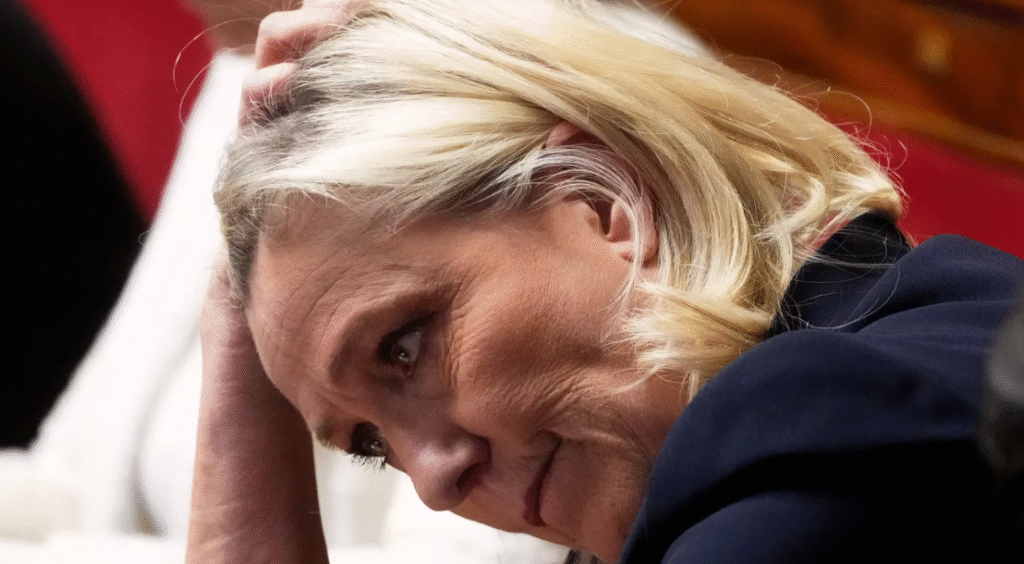
In court, Ouirhane’s legal representatives strongly rejected Le Pen’s defense that her remarks were “political commentary,” insisting instead that the statements crossed the line into targeted verbal abuse. Ouirhane said the case is not only about her but about “challenging hate speech that targets minorities under the pretext of political discourse.”
Le Pen’s Absence Sparks Criticism Amid Ongoing Legal Pressure
Le Pen’s decision, notably, not to attend the trial drew widespread criticism from both activists and political opponents. Consequently, many viewed her absence as a deliberate attempt to avoid direct accountability.
This is not the first time Le Pen has faced legal scrutiny for her remarks. As the leader of the National Rally rassemblement National, she has long been accused of using provocative rhetoric on immigration, Islam, and national identity. Still, she maintains that her speech reflects legitimate political debate, not hate speech.
Broader Implications for Free Speech and Politics in France
Legal experts suggest the verdict could set a precedent for how French courts handle cases where political statements blur into personal attacks.
Yasmine Ouirhane’s legal team remains confident that the court will recognize the harm caused by such public statements, stressing that “words from national figures carry significant weight and can legitimize prejudice.”
Meanwhile, Le Pen’s party has framed the trial as a politically motivated attack intended to silence nationalist voices.


