
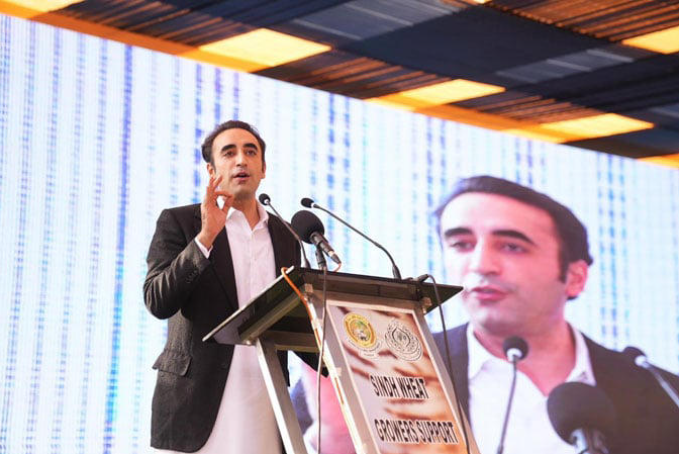
Pakistan People’s Party Chairman Bilawal Bhutto-Zardari has announced that Pakistan’s Constitution is now “complete” following the passage of a significant constitutional amendment bill in Parliament. The move, which drew widespread attention, marks what Bilawal described as the fulfillment of the democratic vision his late grandfather and mother championed.
Bilawal Bhutto Celebrates Parliamentary Milestone in Pakistan
Addressing the media shortly after the vote, Bilawal praised lawmakers for upholding democratic values and institutional balance. He said the passage of the bill closed long-standing constitutional gaps that had fueled political instability and weakened civilian authority in the past.
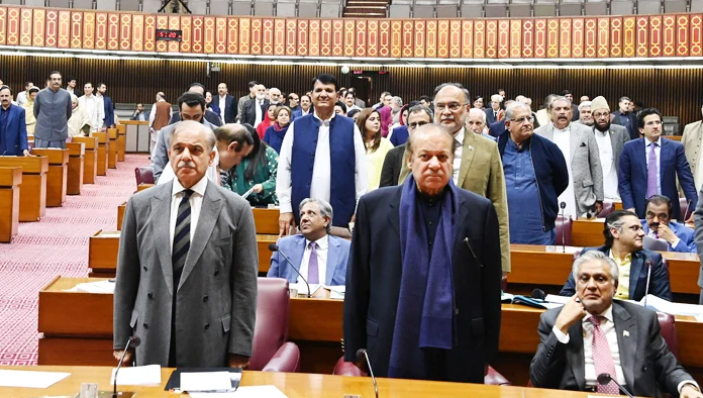
“This bill restores the spirit of the Constitution that was envisioned by Shaheed Zulfikar Ali Bhutto and Benazir Bhutto,” Bilawal stated. “Today, we have truly completed the democratic structure of Pakistan.”
Strengthening Civilian Authority and Judicial Harmony
Political analysts noted that the amendment aims to enhance coordination among Pakistan’s institutions, ensuring a clearer separation of powers between the executive, judiciary, and legislature. It also provides new mechanisms to resolve constitutional disputes without compromising institutional independence.
Observers believe the move will reduce friction between the judiciary and Parliament, a recurring issue that has shaped Pakistan’s political landscape for decades.
Opposition Voices Concerns but Commends Consensus
While opposition leaders questioned certain procedural aspects of the bill’s passage, they acknowledged that achieving broad political consensus was crucial for Pakistan’s democratic maturity. Meanwhile, several senior members of the Pakistan Muslim League-Nawaz, along with leaders from other parties
A New Chapter in Pakistan’s Political Journey
Bilawal Bhutto emphasized that the amendment reflects the nation’s collective will to safeguard democracy and uphold constitutional supremacy. He urged all political forces to move beyond partisan divides and work toward economic stability and governance reforms.


