

OpenAI, the company behind ChatGPT and other leading artificial intelligence tools, has made massive orders for advanced computer chips, signaling its growing ambition to dominate the next generation of AI development. However, despite this surge in investment, its current revenues remain far smaller than the scale of its hardware spending, raising questions about how the company plans to sustain such rapid expansion.
OpenAI’s Big Bet on Advanced Chips for AI Growth
Artificial intelligence boom has pushed OpenAI to secure huge volumes of high-performance GPUs the core processors used to train and run large-scale AI models. Reports suggest that the company’s chip orders from Nvidia and other suppliers are among the largest in the tech industry, even surpassing those of some established cloud computing firms.

These orders reflect OpenAI’s determination to scale up its computing power to train more capable versions of its models, such as the next generation of GPT systems. Experts note that this investment in infrastructure could give the company an edge over competitors like Anthropic, Google DeepMind, and Meta.
OpenAI Competes with Tech Giants
The global AI race has become a high-stakes competition fueled by massive infrastructure costs. To stay ahead, OpenAI must invest billions in GPUs, data centers, and power systems.
Industry analysts estimate that OpenAI’s hardware orders could reach several billion dollars, driven by demand for its enterprise products, API services, and partnerships particularly its close collaboration with Microsoft.
While Microsoft’s Azure cloud platform provides OpenAI with large-scale computing capacity, OpenAI’s direct chip acquisitions show a move toward greater independence in managing and scaling its infrastructure.
Revenue Challenges Amid Soaring Costs
Despite its soaring valuation and public popularity, OpenAI’s revenue base remains modest compared to the size of its infrastructure spending.
The company earns income from ChatGPT Plus subscriptions, business integrations, and API usage, but these streams may not yet cover the enormous hardware and energy costs tied to training large models.
Experts say OpenAI’s current challenge is turning AI success into sustainable business growth, especially as competition in the enterprise AI market intensifies.
AI Demand Outpaces Supply of Chips
The surge in AI development has created a global shortage of GPUs, with Nvidia struggling to meet demand from major AI labs, cloud companies, and national research projects.
OpenAI’s large orders reflect the growing scarcity and strategic value of high-end chips. In this climate, securing a reliable chip supply has become a competitive advantage as critical as software innovation.
This demand has also spurred discussions about developing custom AI chips a direction that OpenAI could explore in the future to reduce costs and dependence on external suppliers.


 OpenAI Fires Safety Executive and Disbands Ethics Team Amid Content Push Controversy
  Elon Musk demands $134B from OpenAI, Microsoft over non-profit breach
 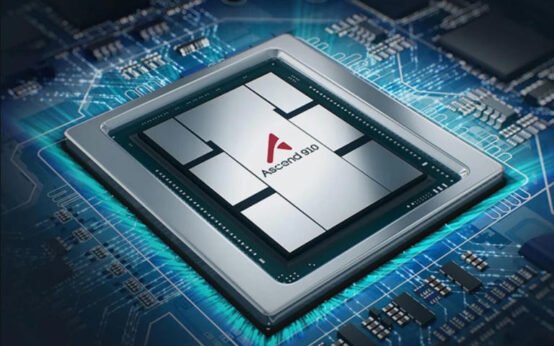 China accelerates homegrown AI chip race as firms aim to rival NVIDIA under U.S. sanctions
  OpenAI Challenges to Disclose 20 Million ChatGPT Conversations
  GitHub Integrates OpenAI, Google AI in Agent HQ
  Ant Group Unveils New AI Model to Threats DeepSeek and OpenAI