
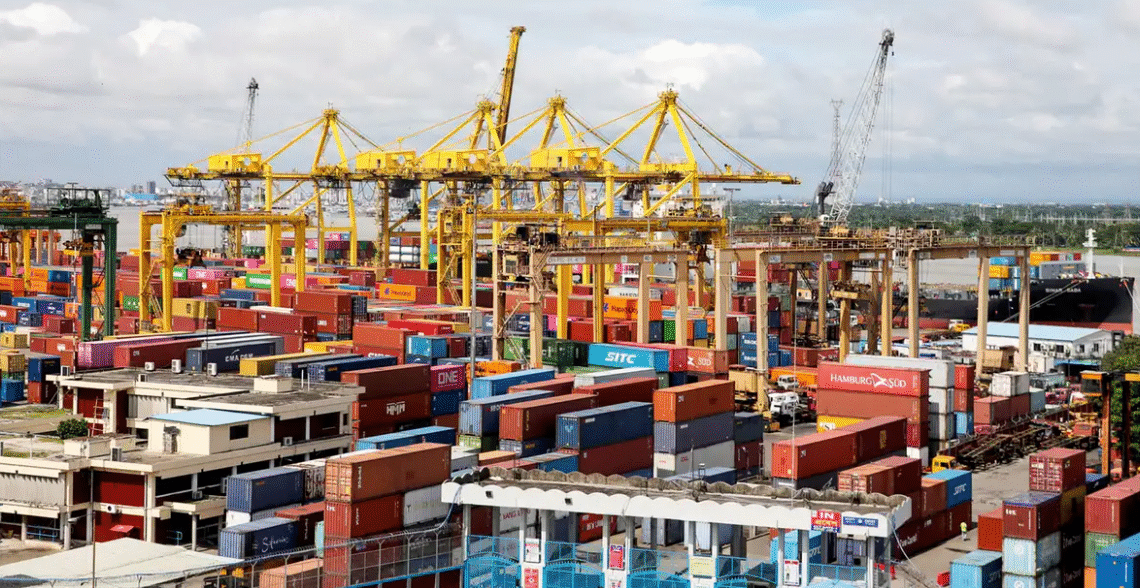
Bangladesh Faces Backlash Over Plan to Lease Ports to Foreign Firms
Bangladesh’s government is facing growing anger after announcing plans to lease several key ports to foreign companies, a move critics say could threaten the country’s sovereignty and economic independence. The proposal, aimed at boosting foreign investment and modernizing infrastructure, has sparked heated debate among political groups, trade unions, and the public.
Government Pushes for Modernization Through Foreign Investment
The government says leasing out the ports is part of a broader plan to expand trade capacity and attract foreign capital. Officials claim that partnerships with international firms will bring in advanced technology, improve efficiency, and strengthen Bangladesh’s position as a regional logistics hub.
Ports such as Chittagong, Mongla, and Payra are being considered for long-term foreign leases. The plan reportedly targets collaboration with countries like China, the UAE, and India, which already have growing economic influence in South Asia.
Critics Warn of Economic and Political Risks
Opposition leaders and economists argue that leasing ports to foreign entities could, in turn, weaken national control over strategic assets. Moreover, many fear the decision could mirror Sri Lanka’s experience; in that case, leasing the Hambantota Port to China ultimately led to widespread concerns over debt dependency and a significant loss of autonomy.
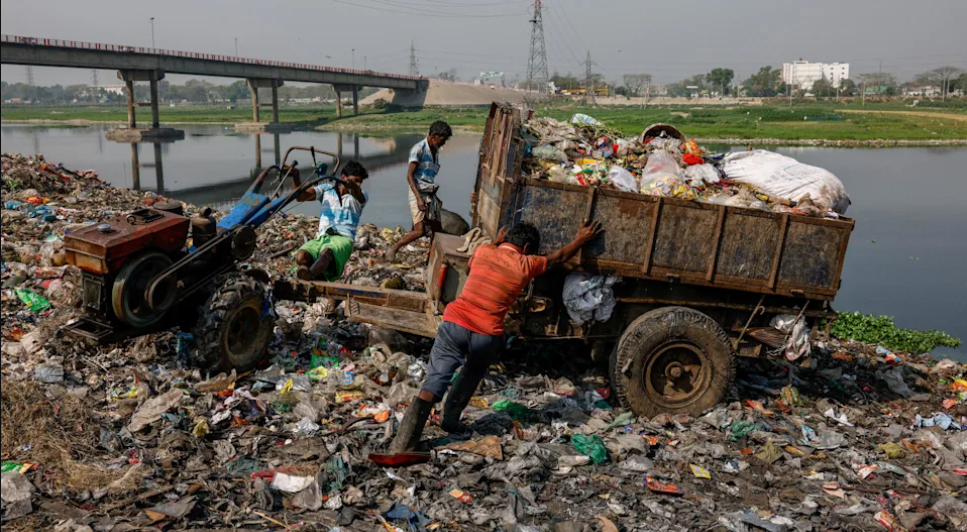
Trade unions have also warned that local workers might lose jobs as foreign companies bring in their own management and operational teams. Some activists have even called the move “a sellout of national resources.”
Balancing Economic Growth and National Sovereignty
The challenge for Bangladesh now lies in striking a delicate balance between modernization and safeguarding national interests. To that end, experts emphasize that any leasing agreements must incorporate explicit limits on foreign control. Furthermore, they advocate for robust local participation in port operations to preserve strategic autonomy and foster domestic capacity.
Analysts also urge the government to maintain transparency and parliamentary oversight, to prevent potential misuse or corruption in such large-scale deals.However, the controversy underscores the sensitive balance between economic development and national security in South Asia’s growing economies.


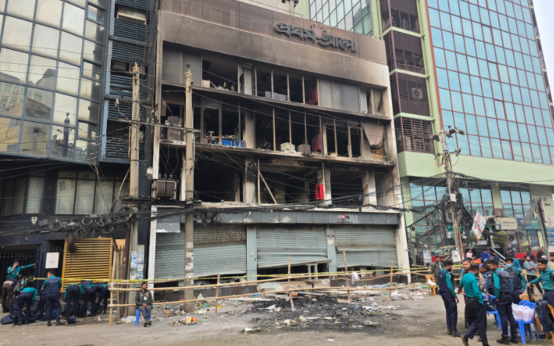 Another Hindu man set on fire in Bangladesh, escapes by jumping into pond
  In Our Defence Podcast: Is Bangladesh Becoming East Pakistan 2.0?
 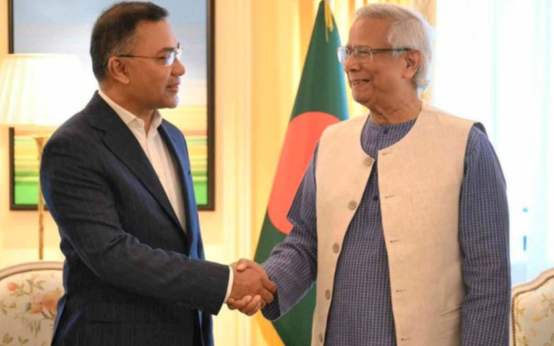 Tarique Rahman Returns to Bangladesh After 17 Years in Exile
 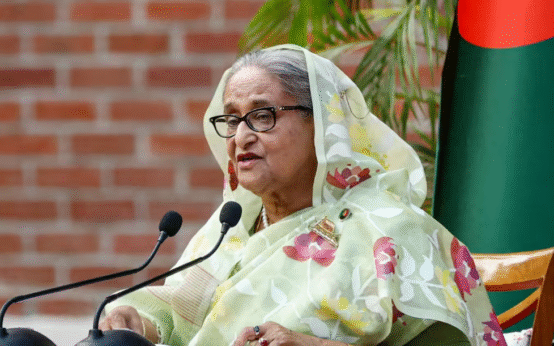 Bangladesh Awaits Crucial Verdict Against Ousted PM Sheikh Hasina
  Pakistan and Bangladesh Revive Joint Economic Commission
  Pakistani FM Ishaq Dar to visit Bangladesh as relations improve