
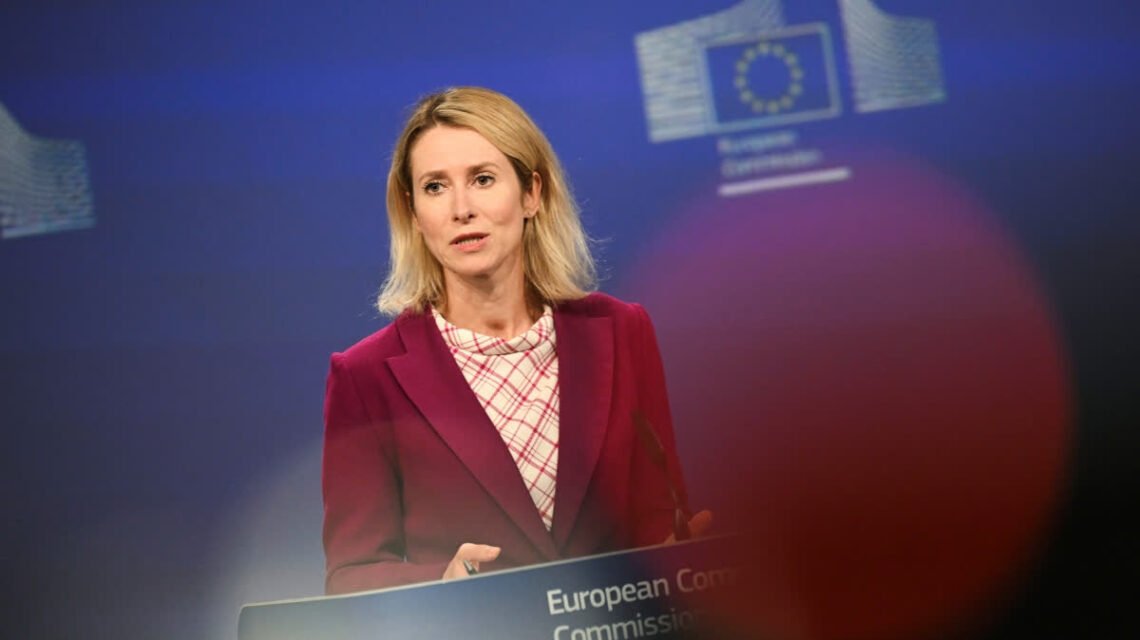
European Union has taken decisive steps to impose tariffs and sanctions on Israel in response to the ongoing war in Gaza. The conflict, which has lasted more than 23 months, has already caused over 65,000 deaths among Palestinians, devastating infrastructure, hospitals, schools, and local economies. The EU’s measures are designed not only to pressure Israel to stop military operations but also to send a strong message about respecting human rights and international law.
Why the EU Decided to Act Against Israel
EU has repeatedly condemned the humanitarian crisis in Gaza. Reports of civilian casualties, destruction of hospitals, and limited access to food and medical supplies prompted EU leaders to consider strong economic and diplomatic measures. By targeting Israeli officials directly, including key political figures like National Security Minister Itamar Ben-Gvir and Finance Minister Bezalel Smotrich, .

EU hopes to make the consequences of continued military action clear. Officials emphasized that these sanctions are intended to encourage negotiations, push for a ceasefire, and reduce suffering for the Palestinian population.
EU’s approach also reflects its commitment to uphold international law. Under the EU-Israel Association Agreement, Israel is required to respect human rights and democratic principles. A recent EU review concluded that Israel violated these obligations, giving the EU a legal basis for its new tariffs and sanctions.
What the Tariffs and Sanctions Include
The proposed EU measures include imposing tariffs on about 37% of Israeli goods exported to the European Union. Currently, these goods enjoy duty-free treatment under the Association Agreement. If applied, the tariffs could generate approximately €230 million in revenue and disrupt trade flows.
Targeted sanctions will freeze European assets and restrict travel for Israeli officials and certain Hamas leaders. The EU has also decided to suspend about €32 million in bilateral funds managed by the European Commission while continuing financial support for the Palestinian Authority.
Economic Impact on Israel and Regional Trade
Israel’s economy could face serious challenges if the EU’s proposals are implemented. EU member states are Israel’s largest trading partners, and tariffs on a significant portion of exports could affect industries like technology, agriculture, and manufacturing. This economic pressure may push Israeli leaders to reconsider their military approach and engage in negotiations.
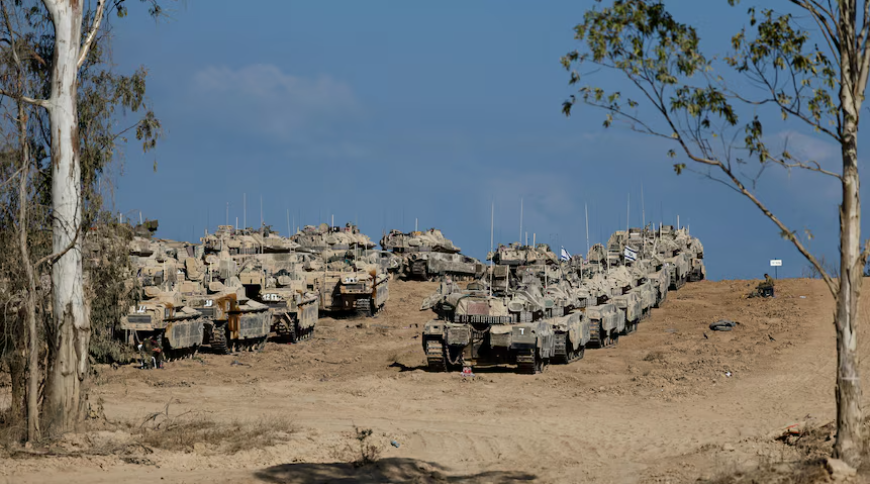
However, the sanctions and tariffs may also have unintended consequences. Businesses and employees involved in international trade could face disruptions. Industries that rely heavily on exports to Europe may see delays, increased costs, and potential loss of contracts. Israeli officials have criticized the EU’s measures as politically biased and have hinted at possible retaliatory actions.
Humanitarian Situation in Gaza
The humanitarian crisis in Gaza remains critical.Israeli strikes have damaged hospitals such as the Al-Rantisi Children’s Hospital, depriving children and families of adequate medical care. Consequently, many patients now face life-threatening delays in treatment. Military operations have also disrupted electricity and water supplies, further compounding the humanitarian emergency.
At the same time, food shortages continue to worsen as supply chains collapse. Aid agencies warn that access to northern Gaza remains extremely limited, thereby intensifying the risk of famine-like conditions. In response, humanitarian groups are urging immediate international intervention to prevent a full-scale catastrophe.
This human suffering is the driving force behind the EU’s actions. Governments and international bodies have imposed sanctions and tariffs to exert political and economic pressure on Israel, urging it to halt ongoing attacks and permit humanitarian aid to reach civilians. In doing so, they aim to leverage economic influence as a tool for de-escalation.
Diplomatic Challenges Within the European Union
Implementing these measures is not straightforward. Some EU member states, including Germany, Italy, Hungary, and the Czech Republic, have expressed reservations. Their concerns include potential economic repercussions for their own markets, political tensions with Israel, and fears that sanctions might escalate regional instability.
European Commission is working to build consensus, emphasizing that collective action is necessary to protect human rights and uphold international law.
EU’s decision carries significant global implications. As Israel’s largest trading partner, the EU wields considerable influence, and its actions may encourage other countries to consider similar sanctions or diplomatic pressure.


 Elon Musk Calls for Abolition of European Union, Sparks Political Backlash Across Europe
  Trump Announces Gaza Peace Deal Israel Hamas Sign Agreement
  Germany’s Johann Wadephul Declares Support for Israel
  Hungarian Vetoes Stall Progress at European Leaders’ Summits
 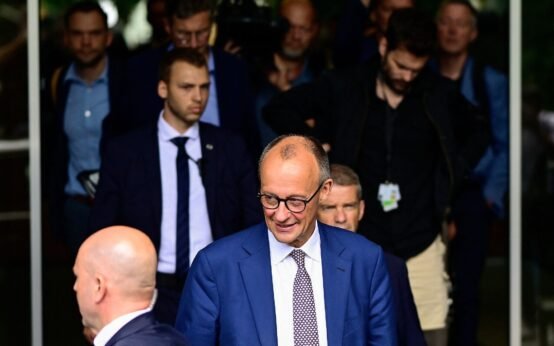 German Jewish Group Calls on Merz to Support Israel
 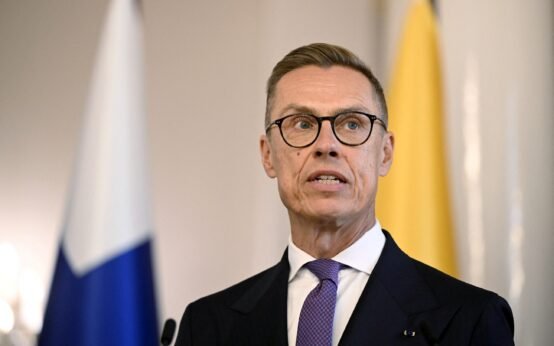 Finland supports two-state solution for Israel, Palestinians