
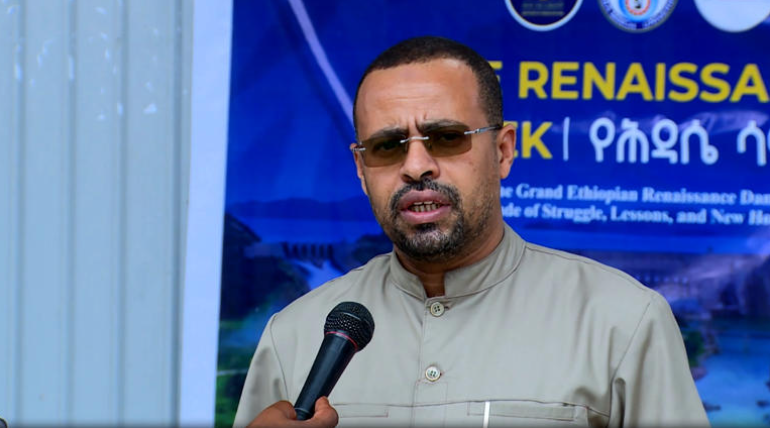
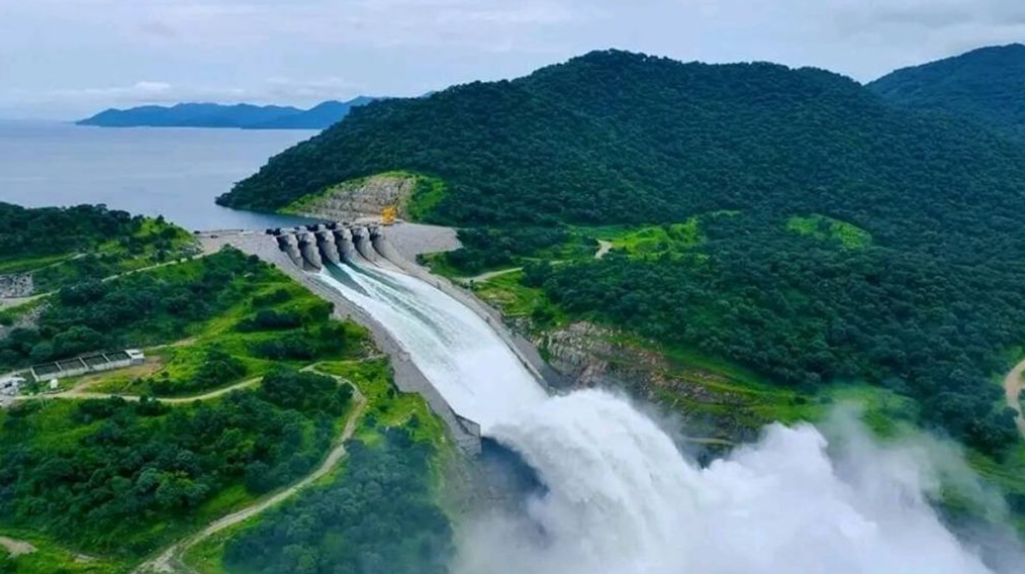
Ethiopia officially inaugurated the Grand Ethiopian Renaissance Dam in early September 2025. This is now Africa’s largest hydroelectric project, built at a cost of about US$5 billion. The dam is designed to generate up to 5,150 megawatts of electricity. During its inauguration, many African leaders attended and expressed admiration for what the project represents not just power generation, but the assertion of self-reliance and continental pride.
Showing Africa Can Build Without Heavy Dependence on Foreign Aid
One of the strongest messages from GERD’s completion is that large-scale infrastructure can succeed with domestic funding, public support, and government commitment. Ethiopia financed the majority of GERD’s cost with internal resources, including millions of dollars in public bonds, bank contributions, and citizen donations.
By showing that this dam could be built largely without external dependency, Ethiopia sends a message across Africa: self-financing and self-determination can be viable. For many developing countries, that has immediate appeal, especially in a time when global interest rates are rising, foreign borrowing costs are high, and the terms of aid often carry strings. GERD’s success suggests alternatives.
GERD as Catalyst for Negotiation and Regional Alignment
Diplomatically, GERD has forced a fresh reckoning. Ethiopia has had tensions with downstream neighbors especially Egypt and Sudan over concerns about water flow, environmental impact, and legal agreements. But with the dam now inaugurated, Ethiopia emphasizes that it wants cooperative relationships.
Some African leaders made statements at the dam opening ceremony suggesting that GERD is a shared symbol of what African nations can achieve. They see diplomacy as a critical tool: agreements, negotiations, and transparency are necessary to manage transboundary harms while enabling mutual benefits. GERD’s diplomacy has become a case study in how countries can assert projects without provoking unnecessary confrontation.
National Identity and Domestic Unity Fuel GERD’s Broader Impact
Inside Ethiopia, GERD has become a rallying point. For years Ethiopia has faced diverse internal challenges ethnic conflicts, political transition, rural energy deficits, and infrastructure gaps. GERD helps address some of the challenges: expanding electrification, reducing frequent power cuts, and boosting the potential for industrial growth.
Moreover, for many Ethiopians, the dam represents something emotional: standing up, taking full control of development without waiting for foreign charity or constraints.
Downstream Concerns and the Need for Binding Agreements
GERD’s journey has not been free of contention .Sudan has also raised concerns over how reservoir filling or dam operation might impact its own water security.
Ethiopia insists it will avoid harming its neighbors. Its government has expressed interest in shared prosperity, water flow consultations, and transparent operations. But many downstream states press for legally binding treaties to ensure Ethiopia’s promises have enforceable guarantees. These tensions could limit how far diplomacy can smooth over issues unless trust, monitoring, and enforceable agreements are put in place.


 UNHCR Praises Ethiopia’s Leadership in Refugee Hosting Amid Global Funding Crisis
 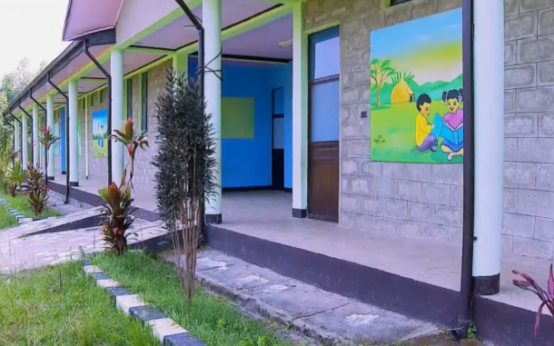 Ethiopia Expands Early Childhood Education Nationwide with Major Investments
  Ethiopia’s 5 Million Coders Program Boosts Digital Skills Among University Students and Youth
 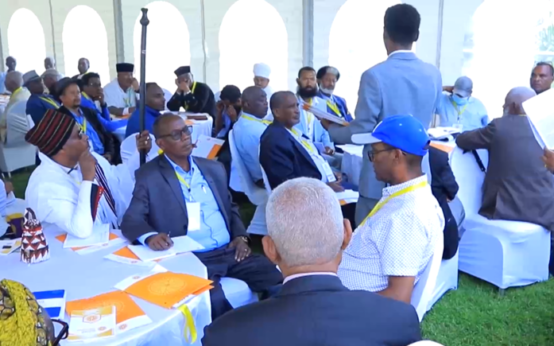 Ethiopia Nationwide Dialogue ECSOC Calls It a Critical Opportunity for National Consensus
  Ethiopia and UAE Reaffirm Commitment to Deepen Strategic Partnership
 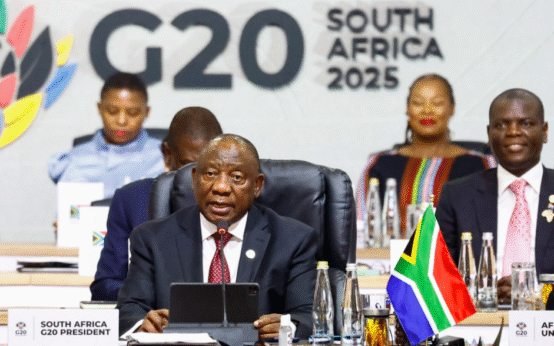 Ethiopia Raises Africa’s Voice on the World Stage at Historic G20 Summit