
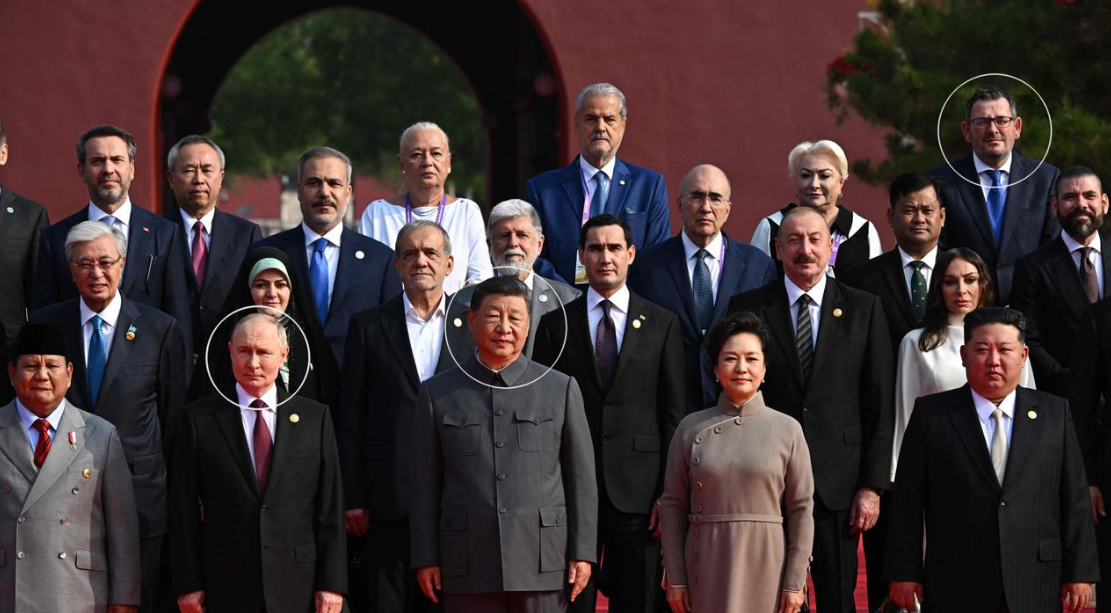
China and Australia’s diplomatic relations took center stage this week as President Xi Jinping personally greeted former Victorian Premier Dan Andrews during a major military parade in Beijing. The event, steeped in symbolism and political weight, highlighted China’s efforts to project strength at home while signaling its openness to fostering stronger ties abroad.
Dan Andrews Attends Military Parade in Beijing Amid Global Attention
Dan Andrews, who served as the Premier of Victoria from 2014 until his resignation in 2023, stood alongside dignitaries and international guests as China showcased its military might. The military parade, featuring advanced weaponry, tactical drills, and a display of the country’s growing defense capabilities, was more than a domestic event it served as a message to the world about Beijing’s determination to maintain its position as a global power.
Xi Jinping’s decision to greet Andrews in person has drawn attention because it reflects Beijing’s recognition of his past role in fostering closer economic ties between Victoria and China, particularly through the Belt and Road Initiative .
Symbolism of Xi Jinping’s Gesture Toward a Former Australian Leader
The sight of Xi Jinping acknowledging a former Australian premier during a major parade carries strong diplomatic undertones. At a time when China-Australia relations have experienced strain over trade disputes, security concerns, and differing positions on global conflicts, such gestures can be seen as part of Beijing’s strategy to soften its image and emphasize shared interests.
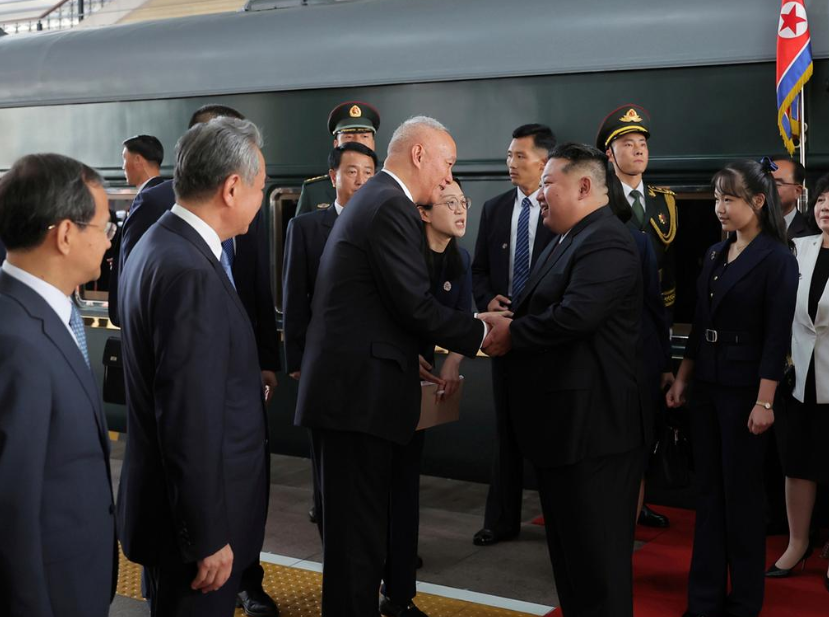
Andrews, known for his pragmatic approach to international trade during his time in office, became a recognizable figure in China due to his support of deeper bilateral cooperation. Xi’s warm gesture seemed to acknowledge that history while offering a reminder of China’s long memory when it comes to diplomatic allies.
Military Parade Highlights China’s Growing Defense Strength
The Beijing military parade itself drew wide global coverage for its scale and symbolism. Thousands of troops marched in synchronized precision while modern military technology, including drones, missile systems, and armored vehicles, was paraded before the crowds. The event emphasized China’s push to modernize its military forces and secure its position as a regional and global power.
The presence of foreign observers such as Andrews was not accidental. It allowed Beijing to blend its demonstration of strength with a display of diplomatic hospitality.
Australia-China Relations Under Spotlight Once Again
Andrews’ appearance has reignited debate in Australia about how to balance trade opportunities with concerns over national security and political influence. His government’s signing of Victoria into China’s Belt and Road Initiative drew criticism from the federal government, which later canceled the agreement, citing national interest.
Still, Andrews’ visit to Beijing illustrates that the legacy of those ties continues to influence perceptions. For Beijing, acknowledging Andrews during such a significant event was also a subtle way of signaling that it values partners who helped advance its global economic vision.
Broader Implications for Diplomacy and Soft Power
Diplomatic experts note that inviting foreign dignitaries, including retired or former officials, to high-profile national events has long been part of China’s soft power strategy. It reinforces the narrative of respect for long-term partners and projects the image of a global power that rewards loyalty.
For Australia, the incident presents both opportunities and challenges. On one hand, it demonstrates that China still values personal and subnational connections, which could serve as a bridge for better national-level relations.


 Mercedes-Benz to accelerate localisation as China revenue slump hits 2025 profits
 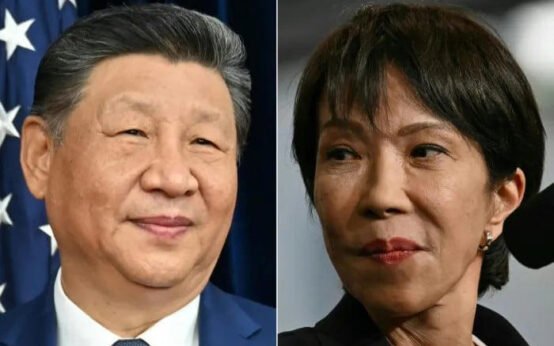 China Bans Dual-Use Exports Including Rare Earths to Japan Over Taiwan Remarks
  China’s DeepSeek Upgrades Chatbot with Advanced ‘Interleaved Thinking’ Feature Amid Next Model Buzz
 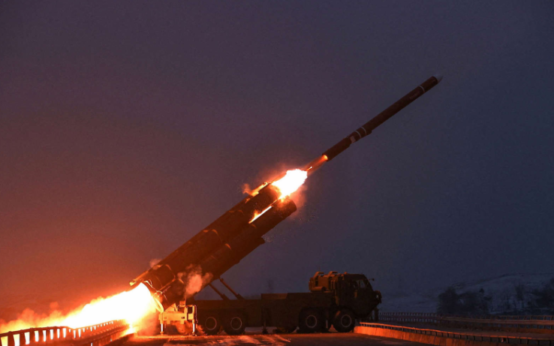 North Korea Fires Ballistic Missiles Hours Before South Korean President’s China Visit
  MindRank Advances China’s First AI-Assisted Drug to Phase 3 Trials, Slashes R&D Costs by 60%
  China Enforces 50% Domestic Equipment Rule for Semiconductor Expansion