

Germany, Europe’s largest economy, is wrestling with a fresh economic challenge as unemployment has crossed the 3 million mark. The increase signals deeper cracks in the nation’s economic structure and places pressure on the government to find urgent solutions.
Germany’s labor market feels the strain of economic slowdown
Germany has long enjoyed one of the strongest labor markets in Europe, but the latest figures show a different story. More than 3 million people now seek jobs, and the number keeps growing. Companies across industries—manufacturing, construction, retail, and services are reducing staff as business activity weakens.
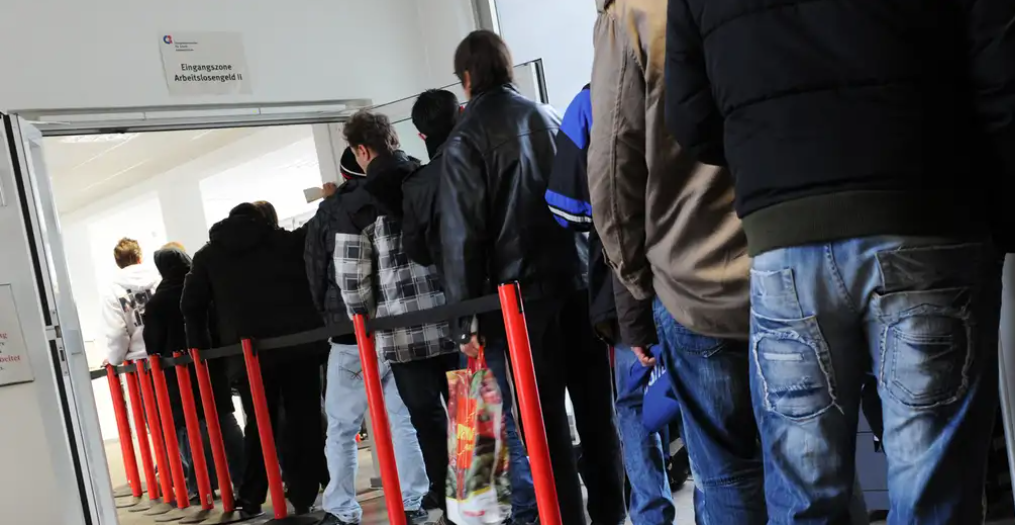
Unlike previous downturns, this rise in unemployment does not come from a single sector collapse. Instead, multiple pressures have combined. Industrial production has slowed, exports face weaker demand in global markets, and businesses remain cautious about investing in new projects. For many German families, the loss of jobs has created serious financial insecurity.
Energy crisis pushes industries to cut jobs
The energy crisis continues to weigh heavily on Germany. After the disruption of gas supplies and rising electricity prices, industries that depend on cheap and stable energy, such as automotive, chemicals, and steel, find it difficult to stay competitive. Companies reduce operations or move parts of production abroad, which directly costs jobs at home.
Employers argue they cannot survive if costs stay this high, while workers demand stronger protections. The conflict between industry survival and job security leaves policymakers under pressure to provide effective relief.
Households across Germany face high living costs due to inflation. Prices for food, housing, and transportation continue to rise, forcing consumers to cut back on non-essential spending. Businesses that depend on strong consumer demand, such as retail and hospitality, are struggling as people spend less.
Unemployment rise threatens European stability
Germany’s economic health directly affects the European Union. As the EU’s biggest economy, Germany drives trade, investment, and consumer confidence in the region. Rising joblessness not only weakens domestic demand but also slows down imports from European partners.

If unemployment stays high, the eurozone could face slower growth overall. Neighboring countries already express concerns about declining trade flows, as German companies reduce purchases of raw materials and services. Global investors are also watching closely, as a weak Germany could drag down Europe’s role in international markets.
Experts urge quick reforms to prevent long-term damage
Economists warn that Germany cannot afford to wait. Structural reforms in energy policy, innovation, and labor flexibility must come quickly to restore competitiveness. Without action, Germany risks losing its position as the economic engine of Europe.
They emphasize that new opportunities lie in renewable energy, artificial intelligence, and digital transformation. If the government and private sector move decisively, Germany could create sustainable jobs and revive confidence.
Germany stands at a crossroads. It can either implement bold reforms to rebuild its economy or allow the weight of unemployment to drag down its future growth. For millions of jobseekers, the answer cannot come soon enough.


