
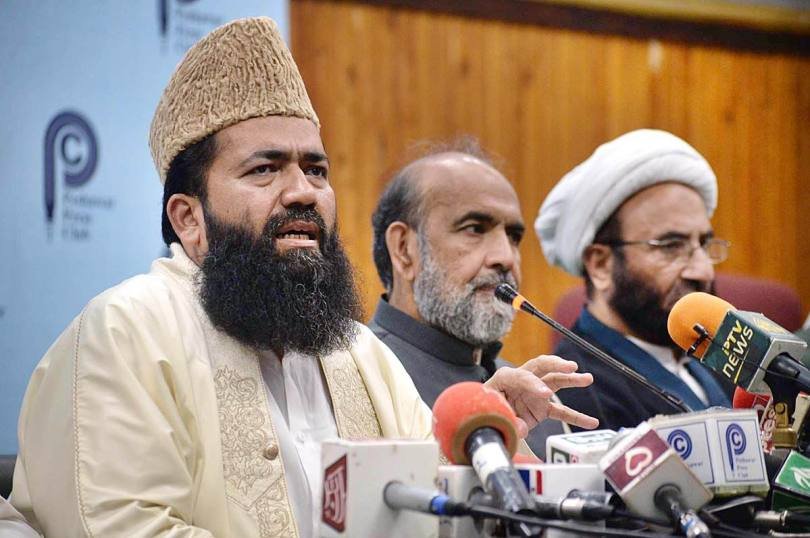
Government of Pakistan has announced that the Central Ruet-e-Hilal Committee will gather on August 24, 2025, to observe the crescent moon of Rabi-ul-Awwal, the third month in the Islamic calendar. This meeting holds special importance because it coincides with Rabi-ul-Awwal a month deeply rooted in Islamic history and cherished by Muslims worldwide for its spiritual significance, especially in honoring the birth of the Holy Prophet Muhammad.
Importance of Rabi-ul-Awwal in Islamic history
Rabi-ul-Awwal is one of the most respected months for Muslims because it marks the birth of the Prophet Muhammad Devotees observe this occasion with heartfelt remembrance and gatherings that celebrate his teachings of peace, justice, and kindness. In Pakistan, people recognize the 12th of Rabi-ul-Awwal as Eid Milad-un-Nabi, a national holiday. They mark the day with processions, decorate mosques, deliver public lectures, and recite naat and Quran.
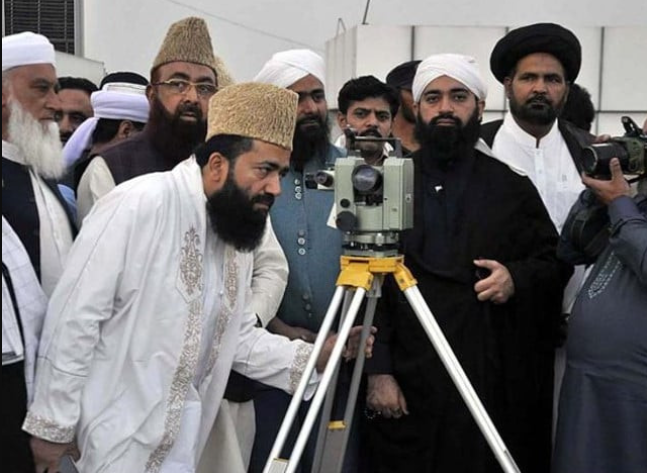
The upcoming moon sighting will therefore decide the official date for these commemorations, making the meeting highly significant for religious leaders, scholars, and the general public.
Unity and expectations for moon sighting on August 24
In Pakistan, moon sightings often spark national interest and discussion. With Rabi-ul-Awwal being such a spiritually important month, the anticipation this year is especially high. Religious scholars and community leaders emphasize unity, encouraging the public to follow the official announcement rather than relying on unofficial claims.
The meeting on August 24 will bring together representatives from all provinces, ensuring that voices from across the country contribute to the final decision. Many people are already preparing for religious events and gatherings, awaiting confirmation of the 12th of Rabi-ul-Awwal so they can mark Eid Milad-un-Nabi with proper planning.
How Muslims in Pakistan celebrate Eid Milad-un-Nabi
Once the moon is sighted and the date is declared, preparations for Eid Milad-un-Nabi intensify. In Pakistan, celebrations typically include processions through major cities, the illumination of mosques, and the distribution of food among the poor. Communities decorate homes and streets with lights and banners that share messages of peace.Religious scholars deliver lectures on the Prophet’s life, highlighting values of mercy, tolerance, and unity that remain essential in today’s world.


