
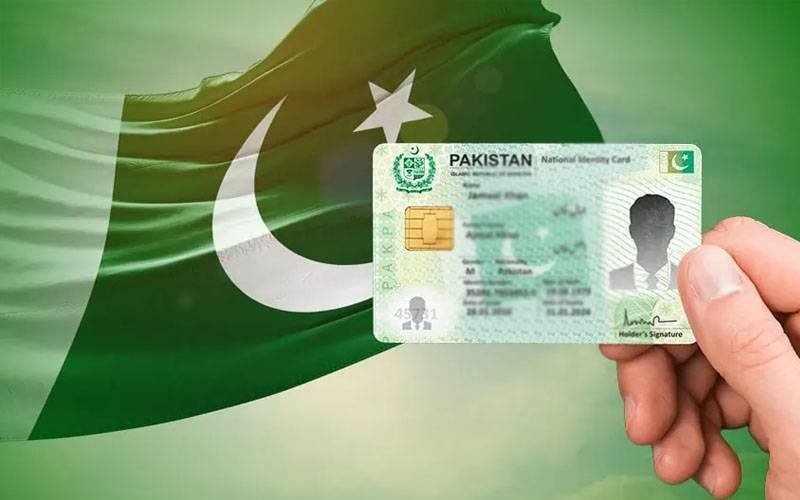
Pakistan has announced a major step toward digital governance by planning to introduce digital identification for all citizens. Officials say the move is part of a broader effort to modernize the country’s economy, improve public services, and strengthen transparency.
Digital IDs as part of Pakistan’s economic reforms
The government explained that the new digital ID system will connect citizens’ personal data with various government and financial services. This will allow faster access to banking, health care, and welfare programs while helping the state reduce fraud and corruption.
Authorities believe the initiative will also support Pakistan’s push toward a digital economy, attracting investment in technology, e-commerce, and fintech sectors. By linking individuals through a secure ID platform, the government hopes to make financial transactions more efficient and expand digital payments across the country.
Improving public services and efficiency
One of the main goals of the program is to simplify how people interact with the government. With a digital ID, citizens will be able to access services like tax payments, utility bills, healthcare, and even voting more easily. Officials also plan to integrate social welfare schemes into the system, ensuring that aid reaches the right people without delays or misuse.
The National Database and Registration Authority which already manages the country’s existing ID card system, is expected to play a central role in this transformation. Digital IDs will likely build on NADRA’s infrastructure, expanding its capacity to store and secure sensitive data.
Concerns about privacy and security
While the government has highlighted the benefits, experts and civil society groups have raised concerns about privacy and data security. They caution that without strong safeguards, citizens’ personal information could be at risk of misuse or hacking.
Officials, however, insist that strict cybersecurity measures will be put in place. They emphasize that protecting data will remain a top priority to maintain public trust in the system.
Several countries, including India with its Aadhaar system, have already adopted digital ID programs. Pakistan hopes to learn from these examples, while tailoring the project to its own economic and social needs.
Analysts say if implemented effectively, digital IDs could help Pakistan expand its tax base, reduce informal cash transactions, and support digital innovation. For ordinary citizens, the system promises faster services, better financial inclusion, and stronger connections to the modern digital economy.


 Telegram CEO Pavel Durov vows to fight for the app amid mounting pressure from Russia
  Pakistan Launches First Digital Economic Census
  Full Google Pixel 10 Pro Fold Specs Leak Before August 20 Launch
  Pakistan’s Launches National AI Policy 2025
  YouTube introduces AI age verification feature globally
  US security agency reveals top tips to prevent phone hacking