
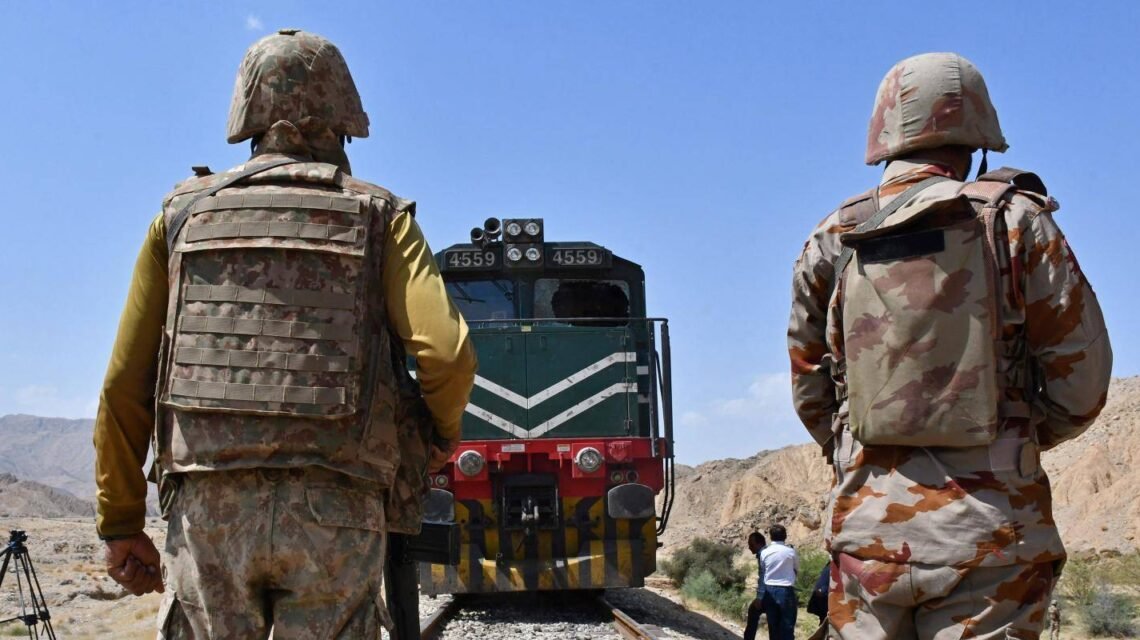
Pakistan is intensifying its diplomatic efforts to secure United Nations Security Council action against the Baloch Liberation Army , a separatist group responsible for a series of deadly attacks in the southwestern province of Balochistan. The BLA, which has waged an insurgency for over two decades, has recently escalated its activities, prompting Pakistan to approach the UNSC for designation as a terrorist organization.
Escalating Violence in Balochistan
The BLA’s recent attacks have intensified concerns over regional stability. Notably, the group claimed responsibility for the 2025 Jaffar Express hijacking, where militants commandeered a passenger train, resulting in 64 deaths, including 33 insurgents, and injuries to 38 others. This incident has been described as one of the most significant acts of terrorism in Pakistan’s history.
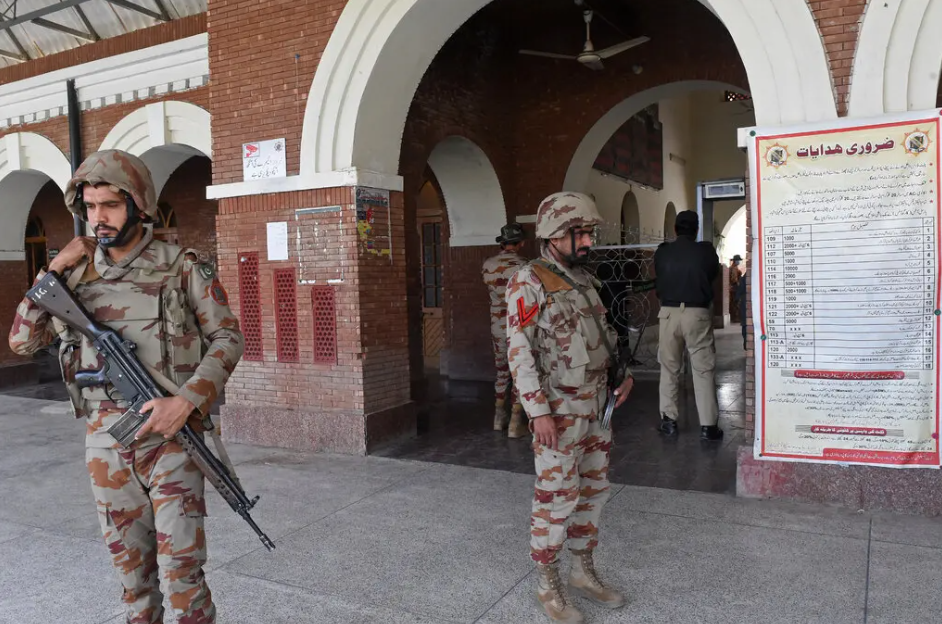
In response to the escalating violence, Pakistan suspended mobile data services in Balochistan for three weeks, aiming to disrupt insurgent communications and restore order. The province, rich in natural resources, has been a focal point of the insurgency, with BLA targeting infrastructure and Chinese investments, including projects under the China-Pakistan Economic Corridor.
Diplomatic Push for UNSC Action
Pakistan’s push for UNSC action against the BLA follows a series of diplomatic engagements. During a recent visit to the United States, Pakistan’s Army Chief, Field Marshal Asim Munir, met with U.S. officials to discuss counterterrorism cooperation and regional security. The U.S. State Department’s designation of the BLA and its militant wing, the Majeed Brigade, as a Foreign Terrorist Organization has bolstered Pakistan’s position in seeking international support.
Furthermore, Pakistan’s Ministry of Foreign Affairs has issued statements condemning the BLA’s activities, while also highlighting the group’s significant role in destabilizing the region.
Humanitarian and Political Dimensions
Balochistan insurgency has deep-rooted political and economic dimensions. Moreover, the Baloch people have long expressed dissatisfaction with the central government’s policies, arguing that they face marginalization and exploitation of the province’s resources. Consequently, the insurgency has led to significant civilian casualties and displacement, thereby exacerbating humanitarian challenges across the region.
Pakistan’s approach to addressing the insurgency has included military operations and development initiatives. However, critics argue that a purely security-centric approach may not resolve the underlying issues.


 In Our Defence Podcast: Is Bangladesh Becoming East Pakistan 2.0?
  Himanta Taunts Gogoi “He Can Contest Elections in Pakistan”
  Pakistan FM IMF Cannot Impose Conditions on National Interests
  PSX Market Surges IMF Nears Staff-Level Agreement
  Pakistan’s Struggle to Reduce Poverty
  Pakistan Among Early Adopters of Wi-Fi 7 in Asia-Pacific